What are some of the major limitations of GenAI?
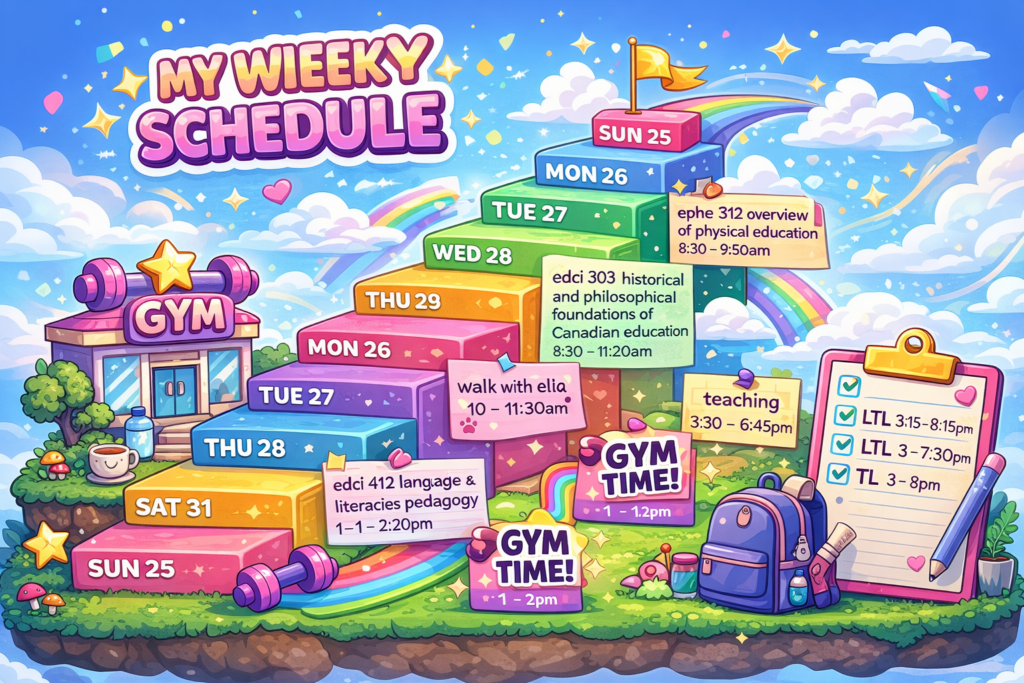
GenAI is not perfect and not always right. When using generative AI for image generation, I have come across many spelling mistakes and inperfections on the images. See image below. I generated this image using the free version of ChatGPT, so trying the same prompt in a paid version or with more advanced software would most likely yield a different, more polished response. The lack of empathy and human instincts also limits it, as it generates responses based solely on the wording of the prompt and cannot comprehend larger issues. It does not understand human lived experience and cannot understand the implications of the input text. This article discusses the flaws of ChatGPT and how it can struggle to respond to difficult situations or just not respond at all. There are also no age restrictions on ChatGPT if the user has entered 13+; the user is not required to verify their age, even when asking the bot questions intended for older users (18+). These AI sites also cannot distinguish between credible and non-credible sources of information. The article outlines the dangers and key considerations when using the site. It uses all the information from the internet to curate a response that supports the prompt you have provided, and, with this in mind, it also reflects the bias that AI holds. Though often thought of as neutral, AI can harbour bias because it is made by humans and may omit essential information or misrepresent other aspects of its output. The over-reliance piece is also important to consider. As AI becomes more common, people often search there first because it produces easy-to-read responses and requires little effort to get an answer to a question. The fear is that people will begin to rely on this way to get information and become reliant on it, losing the ability to think critically about any given topic. Overall, there are many limitations to be aware of when using GenAI.
Describe possible use cases for GenAI in school settings at the grade level you would like to teach or describe why it would, or would not, be appropriate for your grade level.
As a teacher, I believe GenAI could be used to generate ideas within the curriculum. Sometimes the curriculum can be overwhelming, and using an AI chatbot to dissect it and gain a better understanding, or simpler terminology, could greatly help. GenAI can also help with lesson planning and creating projects and assessment guides related to an assignment. I would always view these outputs as ideas rather than just taking them and going on with the lesson they produce. I would ensure it meets curriculum needs and that I am curating it for the learners in my future classroom (including IEP and ULD needs). This could also help save time, as being a new teacher can be very time-consuming. Though I plan to plan my lessons myself, I may sometimes need to generate ideas and double-check them using AI. For students, I would not introduce GenAI until grade 4+, when they have developed critical thinking skills and can be properly introduced to AI as a tool. It could be used in many ways, such as comparison research (AI vs. not), brainstorming topics, or getting feedback on student work, but with privacy and the accuracy of the output in mind. Overall, I believe the biggest use of AI I can integrate into my future classroom would be inclusion, including creating resources and supporting students, such as ELLs, who may need rephrasing or simpler language. I think GenAI can be used in the classroom, but remembering not to over-rely on it is essential for success. I’d love to hear thoughts on other ways in which AI can be used in the classroom, for better or for worse!


Leave a Reply