Inclusive education is a term that comes up often in conversations about modern schooling, yet its meaning can feel broad or abstract. At its core, inclusive education is about designing learning environments where all students feel valued, supported, and able to participate fully, academically, socially, emotionally, and culturally. Rather than expecting students to adapt to a rigid system, inclusive education asks educators to design learning from the outset with learner variability in mind.
This idea is closely aligned with the framework of Universal Design for Learning (UDL). UDL emphasizes that education should be designed to be inclusive from the beginning, rather than relying on retroactive accommodations for students who do not fit a single, dominant learning model. By offering multiple means of engagement, representation, and expression, UDL recognizes that variability is the norm in classrooms, not the exception. When learning environments are designed this way, barriers are reduced before they ever become obstacles.
My interest in this inquiry comes from reflecting on my own educational experiences and my growing understanding of the responsibilities teachers hold. As an emerging educator, I am increasingly aware that classrooms are not neutral spaces. Decisions about curriculum design, assessment, and instructional tools can either reinforce exclusion or foster belonging. Too often, traditional schooling structures privilege certain ways of learning, communicating, and demonstrating understanding, leaving others to be labelled as “struggling” or “behind.”
Technology is frequently positioned as a solution to these challenges, but its role in inclusive education is complex. When used intentionally and guided by frameworks like UDL, technology can offer flexible pathways for learning, supporting accessibility, student choice, and diverse forms of participation. However, when technology is treated as an add-on or a one-size-fits-all solution, it can reproduce the same inequities that inclusive education aims to address.
My goal with this inquiry is to answer: How can technology aid in inclusive education? More specifically, I am interested in how technology can support UDL principles by reducing barriers, honouring diverse ways of knowing, and amplifying student voice. At the same time, I want to remain critical of the limitations of technology, particularly around access, equity, and overuse. Inclusion cannot be achieved through tools alone; it must be grounded in intentional design, strong relationships, and reflective teaching practice.
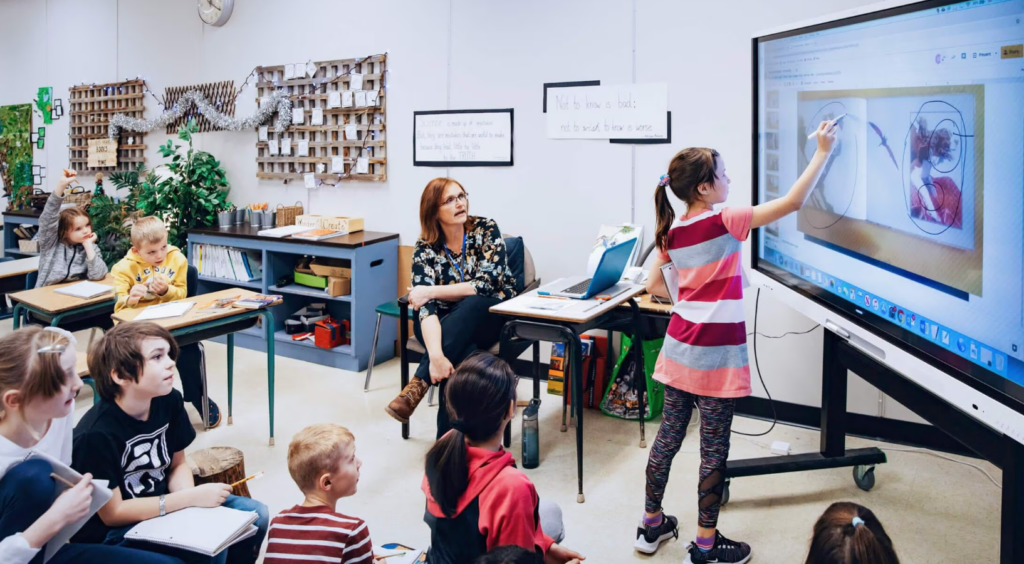
This first post lays the foundation for my inquiry by positioning inclusive education and UDL as a proactive approach rather than a reactive one. As this inquiry continues, I plan to explore how technology can support inclusive education in more concrete and practical ways, particularly through accessibility, differentiated instruction, and amplifying student voice in alignment with Universal Design for Learning principles. At the same time, I want to remain critical of issues such as equity, access, and the digital divide, recognizing that technology can both reduce and reinforce barriers depending on how it is used. Through classroom observations, course readings, and personal reflection, this series aims to move beyond viewing technology as a solution in itself and instead understand it as one tool that can support intentionally designed, inclusive learning environments.


Leave a Reply