Hej! Välkommen to my eighth and final inquiry blog about Sweden. You can learn a lot about a culture by looking the foods that people enjoy. So, that’s what I’ll do for my final post. I’m hoping to gain familiarity with local delicacies to prepare me for what will be on offer in Stockholm, as well as to learn about the significance and history of Swedish foods.
Lingonberries
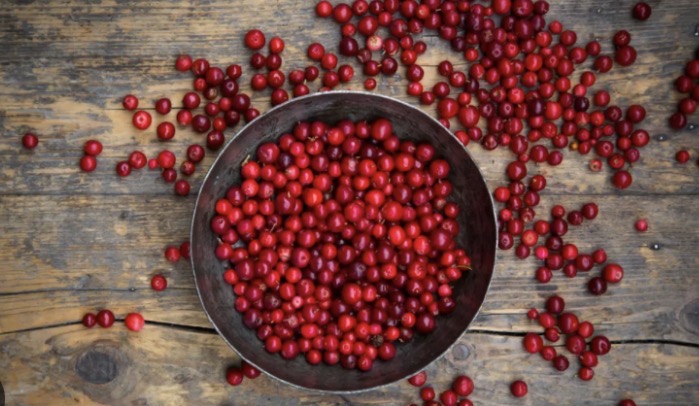
Tiny tart red berries that are often made into jam and juice. Many Swedes have fond childhood memories of picking lingonberries in the forest. In researching lingonberries, I learned that Sweden has something called “the right of public access” – allemansrätten. This means that everyone has the opportunity to roam freely and enjoy nature – you can camp anywhere and hike anywhere – forests are not private or crown land.
Pickled herring
A favourite in the smörgåsbord (Swedish buffet). Pickling has played a role in Swedish life for hundreds of years. Swedes have been pickling since the Middle Ages, mainly as a way of preserving fish for storage and transportation to inland areas. Today, pickled herring comes in many flavours, such as garlic, mustard, onion, and dill. It is often eaten with boiled potatoes, cheese, sour cream, and crispbread. I will NOT be trying pickled herring, as I am a vegetarian and I don’t eat fish.
Crispbread (knäckebröd)
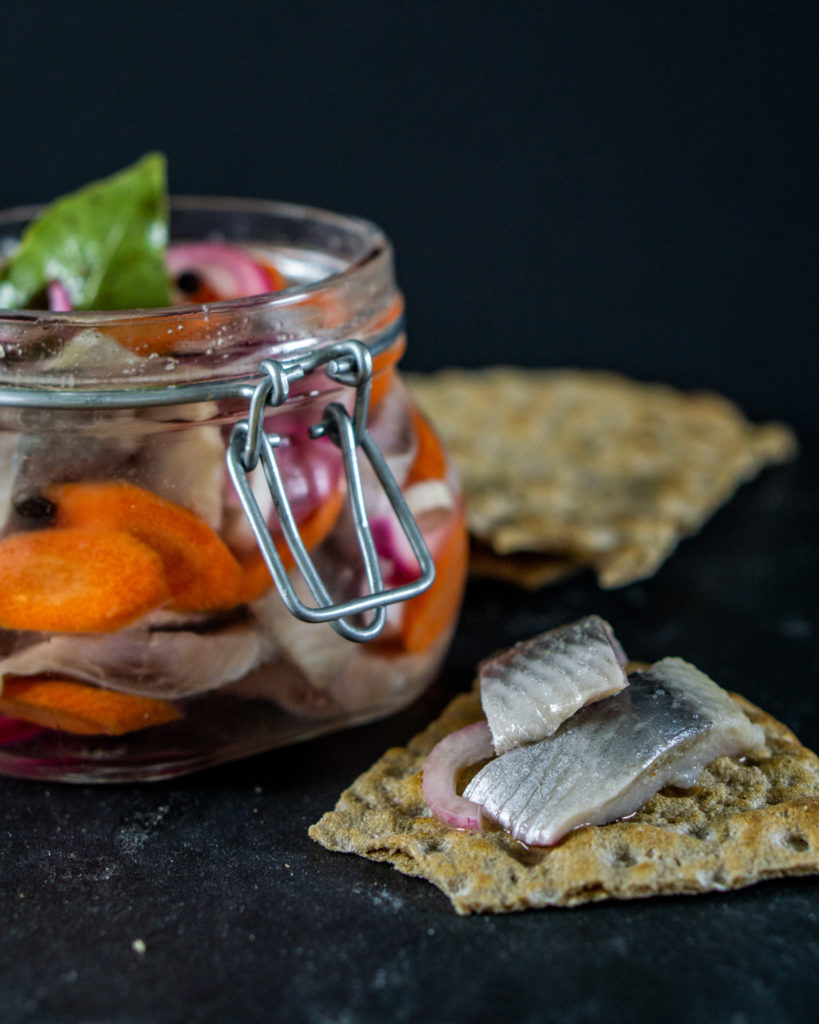
Speaking of crispbread, I’d never heard of it until I read about pickled herring! It’s like a flat large cracker, and it is often served alongside meals. It was once considered “poor man’s food,” and people in Sweden have been baking it for over 500 years. It has an amazing shelf life – at least a year if stored properly – and you can top it with just about anything (some ideas: boiled eggs, caviar, ham and cheese, cucumber, and just plain butter). Apparently whole shelves in Swedish grocery stores are dedicated to crispbread!
More about crispbread and other Swedish foods: https://sweden.se/culture/food/10-things-to-know-about-swedish-food
Princess cake (Prinsesstårta)
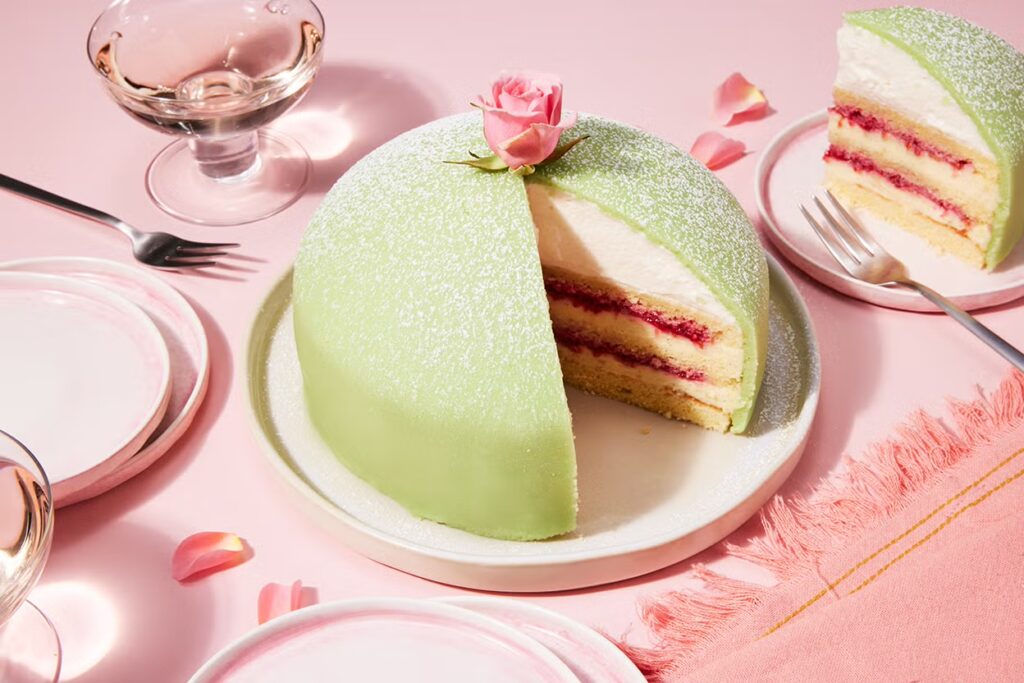
A bright green cake always topped with a pink rose made of sugar. Prinsesstårta is made of layers of sponge cake, jam, vanilla custard, and whipped cream. The icing is actually a thin layer of green marzipan.
The name Prinsesstårta can teach us something about Swedish history. The first princess cake was made in t(e 1920s by a Swedish woman named Jenny Åkerström. This was during the reign of King Gustav V. Jenny was actually a teacher – she taught Prince Carl Bernadotte’s daughters, Astrid, Märtha, and Margaretha. They tried the fake and loved it so much that they inspired its name.
Princess cake is a part of many celebrations in Sweden. Green and yellow is popular at Easter, red at Christmas, orange for Halloween, and white at weddings. Swedes often bake a princess cake to mark milestones in people’s lives. My cousin Delaney just got engaged – maybe I should embrace this Swedish tradition and bake her and her fiancé Chris a Prinsesstårta!
Princess cake recipe: https://www.sprinklebakes.com/2019/01/swedish-princess-cake-prinsesstarta.html
And that is all! I’m saying my final hej då! I have truly enjoyed inquiring into Swedish language and culture through EDCI 336 and keeping this blog updated.
Bye and vi ses!
Macy


Leave a Reply