As we finish this class and I move toward my practicum in a Grade 4/5 French Immersion classroom, I am beginning to think more concretely about how the ideas from this inquiry can translate into real teaching practice. Throughout this process, I have explored how technology can support inclusive education through accessibility, representation, collaboration, and differentiation. However, one of the biggest realizations I am coming to is that effective use of technology is not just about what tools are available, but how and when they are used, especially within the realities and constraints of a classroom.
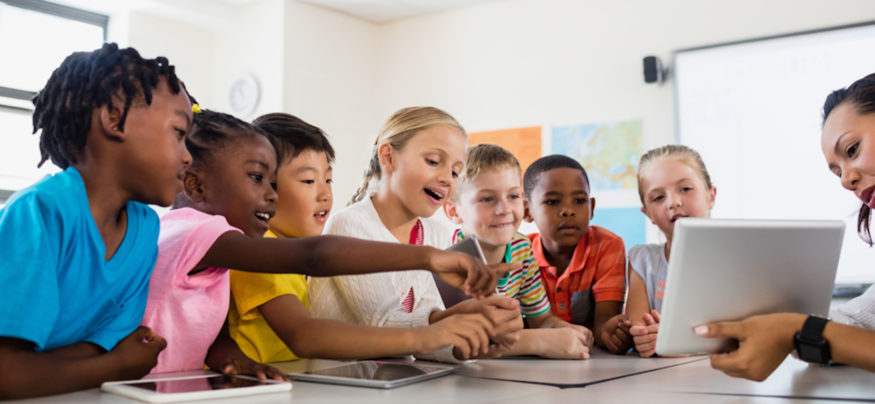
One important factor in my practicum context is that access to technology is limited. The school has a shared set of Chromebooks and iPads that must be booked well in advance, which means technology cannot be relied on for everyday instruction. This has pushed me to think more intentionally about how to use technology in ways that are purposeful and impactful, rather than constant. It also reinforces an important idea from this inquiry: technology should enhance inclusive learning, not be required for it.
In math, for probability, I plan to primarily use hands-on activities like dice, spinners, and card games to build foundational understanding. However, if I am able to book devices, I would incorporate digital tools such as PhET Interactive Simulations, where students can run repeated trials and visually see probability patterns emerge. This can be especially helpful for students who benefit from visualizing data or need repeated practice. I could also use simple online graphing tools or Google Sheets to help students record and visualize their results, supporting both numeracy and digital literacy.
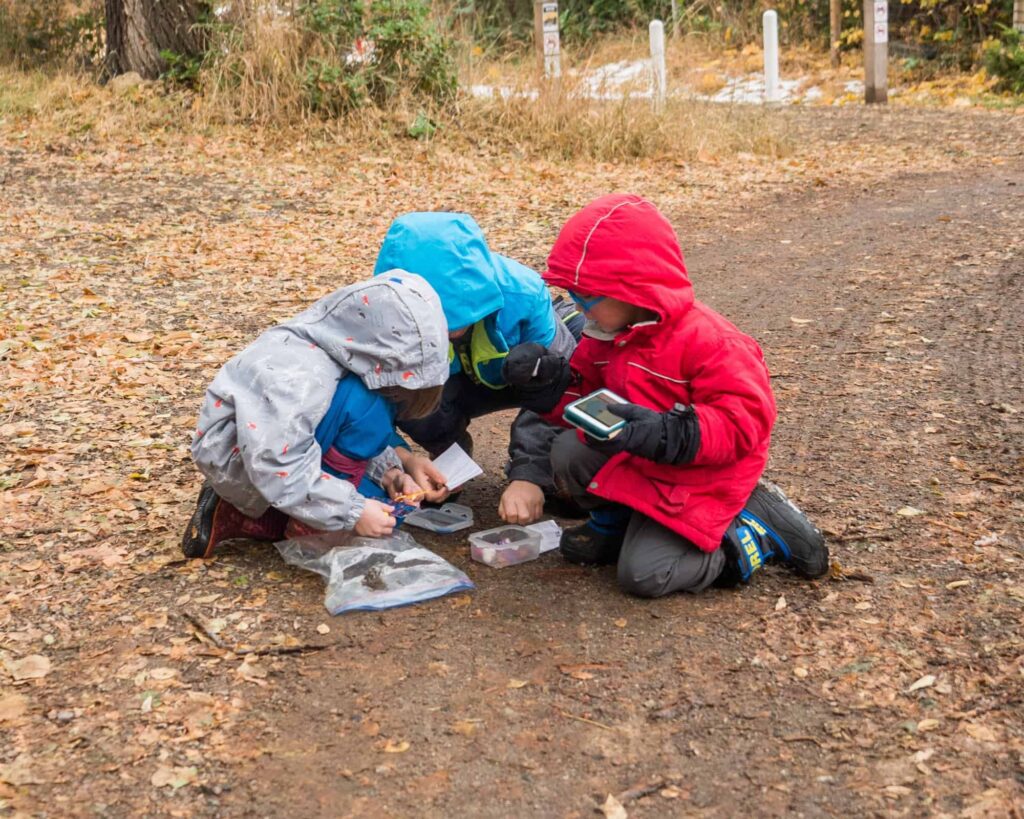
In science, while teaching the rock cycle, technology can help make abstract processes more concrete. Short, visual videos—such as those available through platforms like National Geographic Education or BBC Bitesize can show processes like erosion, heat, and pressure over time. If devices are available, students could create simple digital diagrams using tools like Google Slides or Canva for Education to represent the rock cycle in their own way. Another idea is having students take photos of rocks found outside and annotate them digitally, combining hands-on exploration with technology-supported reflection.
For French theatre, technology offers meaningful ways to support both language development and inclusion. Students could use recording tools (such as iPad video or Flip) to practice and record their performances. This allows students to rehearse, listen back, and build confidence before sharing with others. It can be especially supportive for students who experience anxiety with live performance or who benefit from repeated oral language practice. Additionally, I could provide audio recordings of scripts or model dialogues to support pronunciation and comprehension, giving students multiple ways to engage with the material.
Given the limited access to devices, I would plan to use technology at key moments rather than throughout entire units, for example, as a consolidation activity, a way to demonstrate learning, or a tool for reflection. This ensures that when technology is used, it is meaningful and enhances the learning experience rather than simply replacing traditional methods. This planning process has reinforced for me that inclusive education begins with strong, flexible teaching practices. Technology can support this by offering additional pathways for engagement and expression, but it is not the foundation of inclusion itself. As I enter my practicum, I want to remain intentional, designing lessons that are accessible to all students first, and then thoughtfully integrating technology where it can make the greatest impact.
Overall, this inquiry has shifted how I think about teaching. I am no longer asking, “How can I use technology?” but rather, “How can I design learning experiences that are inclusive, and where might technology strengthen that design?” Working within real constraints has made this question even more meaningful, and I am looking forward to continuing to explore it in practice.


Leave a Reply