Swedish language learning update: I finally hit the big five-oh on Duolingo! I have been practicing Swedish for 50 days now.
My international practicum fast approaches! In exactly 3 weeks (that’s right, 3 weeks! That’s 21 sleeps!), I’ll be headed to Stockholm. Instead of doing something more immediately useful like packing, or lesson planning, I sat down this evening to research how the Swedish school system works. Education is a massive part of culture – schools as institutions reproduce and challenge cultural norms. Since my inquiry centres around Swedish language and culture, and since I’m going to be working within the Swedish school system for over a month, in UNDER a month, I thought I should know a bit more about what I’m getting into.
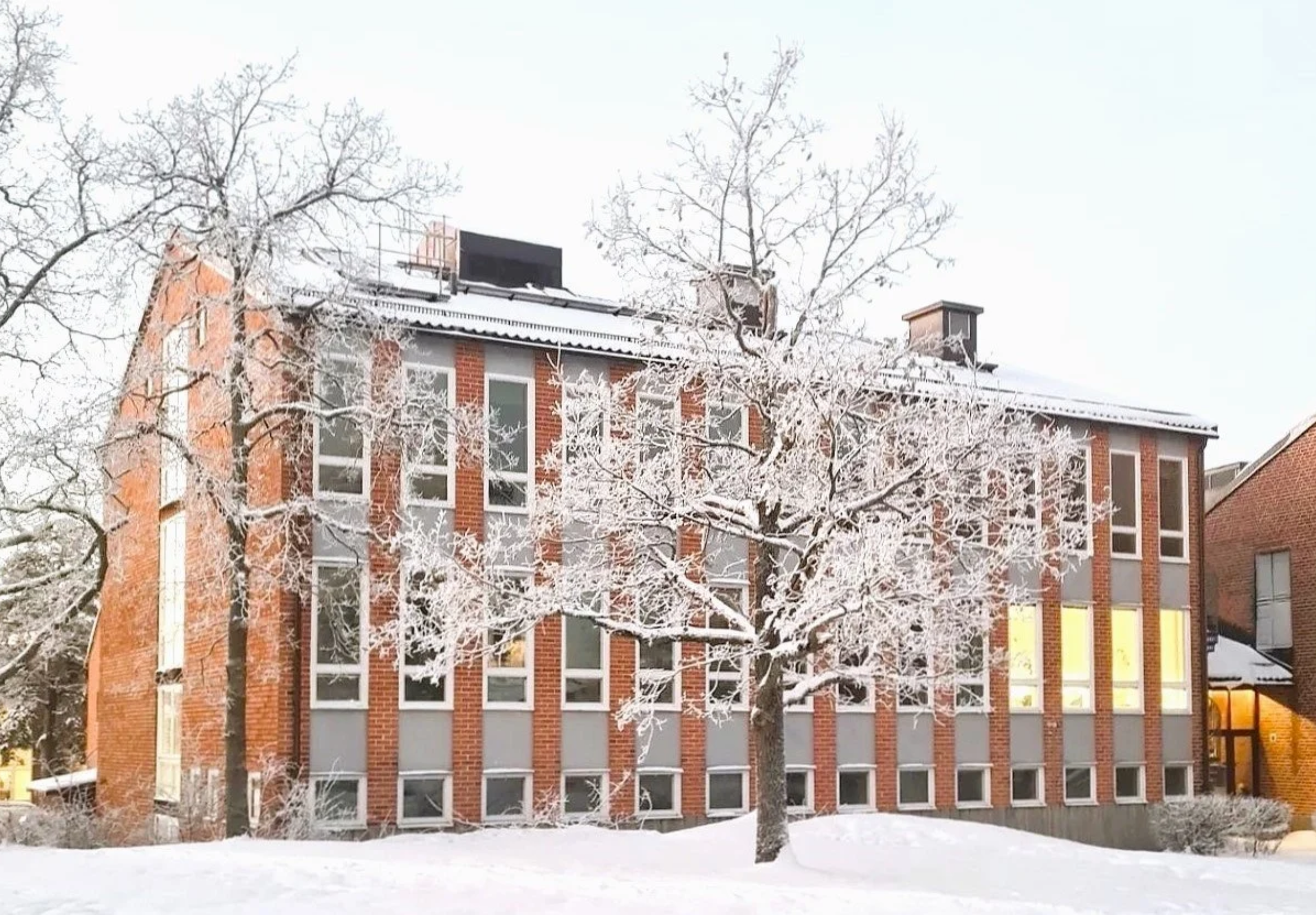
Eklidens skola, the compulsory school in Nacka, Sweden, where I’ll be doing my 6-week practicum
Image from https://www.nacka.se/valfard-skola/eklidensskola/.
The Swedish school system has three main stages: preschool, compulsory school, and upper secondary school. Preschool (förskola) is for younger kids and is heavily play-based, focused on social development more than academics. Then comes compulsory school (grundskola), which runs from about ages 6 to 15. Compulsory school is mandatory from Year 1 to Year 9. After that, students move into upper secondary school (gymnasium), which is optional. However, most students attend – the job outlook is quite competitive and gymnasium is an asset. In gymnasium, students specialize into vocational and academic streams. My mentor teacher’s son is currently in gymnasium and he wants to pursue higher education soon.
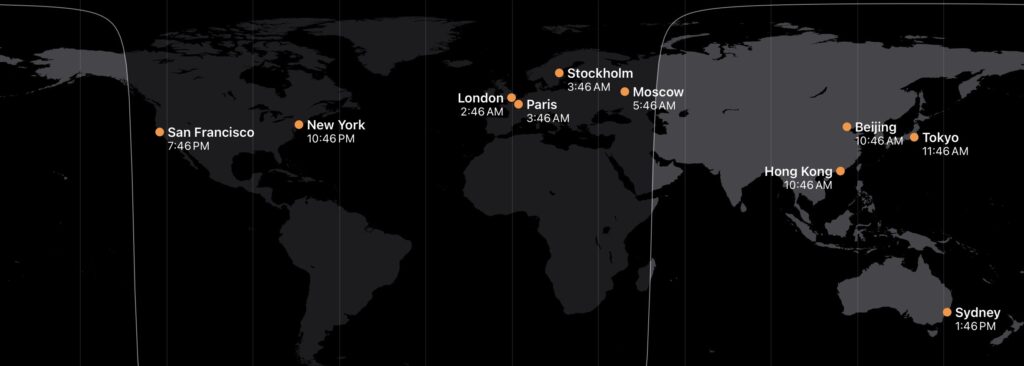
Speaking of my mentor teacher – I met Maria yesterday via Microsoft Teams. It was difficult to schedule a meeting because of the +8HRS time difference between here and Stockholm. But, I’m glad we did, because Maria is lovely and I feel less nervous about embarking on the international practicum journey now that I know at least one person who’s waiting in Sweden!
I’ll be teaching at Eklidens skola, which is a Year 7-9 school – the final years of compulsory education. The grade equivalent is a little different in Canada – the Swedish learners I’ll be working with would be Grade 6-8 here. One thing that really stood out from my conversation with Maria is how advanced the students seem in terms of their academics. They learn primarily in Swedish, but English is introduced early and taken seriously. Maria is an English teacher, and their English classes are much more vigorous than Core French classes in Canada. For example, Maria’s Year 9s just finished reading the Great Gatsby. WOAH! I didn’t read that until Grade 11 or 12. On top of English, most students study a third language – Spanish, French, German, Mandarin, etcetera. Being multilingual is very normal in Sweden.

This tells me a lot about the high expectations and support in Swedish classrooms – or, at least, at my school. The students are clearly being challenged, and rising to the challenge. Hearing that my future students are tackling the Great Gatsby in their non-native language puts things into perspective as I begin lesson planning – I can definitely aim higher than I initially thought.
It makes sense that students are successful in Sweden – their schools are well-funded. In my research, I found that Sweden uses a publicly funded system where money follows the student – government funding is based on enrollment. This is equity-focused in theory, because every student should have access to the same quality of education regardless of where they go. And, get this – school lunches are completely free! Thank you, Nordic Model! Teachers, students, and school staff all eat the same free hot lunch, which will be AWESOME!
A new focus of mine over these next few weeks is unit and lesson planning. I got some ideas from Maria…
- Grade 7: All About Canada with a focus on Indigenous peoples
- Grade 8: some sort of novel study (lots of freedom here)
- Grade 9: Something to do with Shakespeare
Those are my starting points – I’m excited to start planning! Hej då!


Leave a Reply