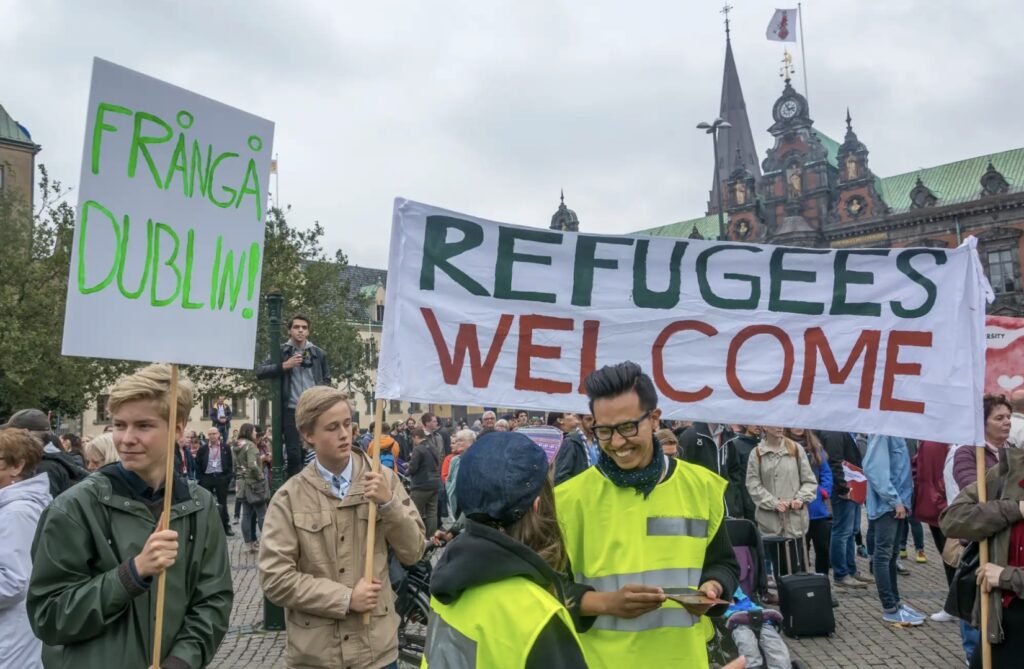
Swedish language learning update
Duolingo streak: 47 days
New words unlocked:
- Ingenjör – engineer
- Han – he
- Hon – she
- Men – but
- Bor – lives
Feeling inspired to be more knowledgable
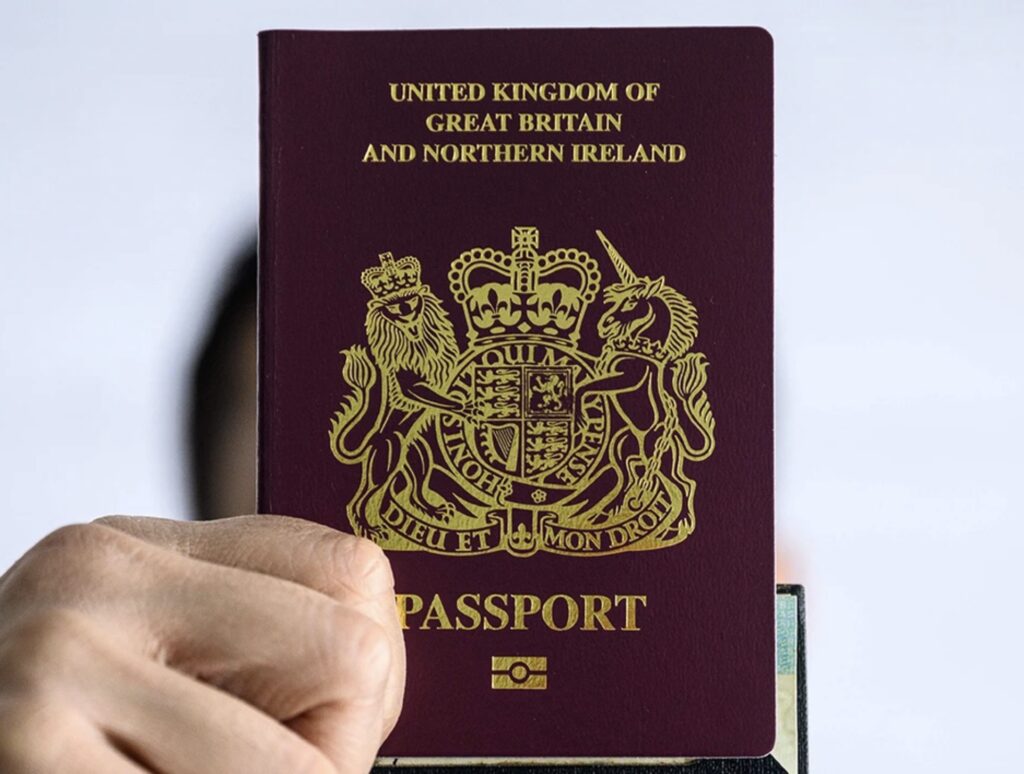
I’m a dual citizen of Canada and the UK, and until very recently I had absolutely no idea that I might not be able to enter my own country of birth using my Canadian passport. New UK travel rules mean that some British Canadian dual citizens may need to use a British passport or apply for special travel authorization, which costs nearly $2000 CAD) when entering the UK, rather than relying on a Canadian one. Reading this made me realize that I am, frankly, woefully underprepared and under-informed as my trip to Sweden rapidly encroaches. I ended up applying for a new UK passport (mine expired when I was 5 years old!) and I am praying that it arrives in time!
That realization sent me down a bit of a research spiral. I started looking not only for any other bureaucratic hoops or travel rules that could potentially interfere with my practicum abroad, but also at how current global events might be shaping the lives of the people I’ll soon be interacting with in Stockholm – students, fellow teachers, and the people I’ll pass on the street, in restaurants, and bars – potential future friends.
It’s easy to get wrapped up in your own life and your own travel plans, but part of developing cultural intelligence is stepping outside of that bubble and actually paying attention. That means learning about Sweden, of course, but also paying attention to broader global issues – I also wonder how conflicts like the war in Iran might be affecting how people are feeling and living in Sweden right now.
Issues in Sweden
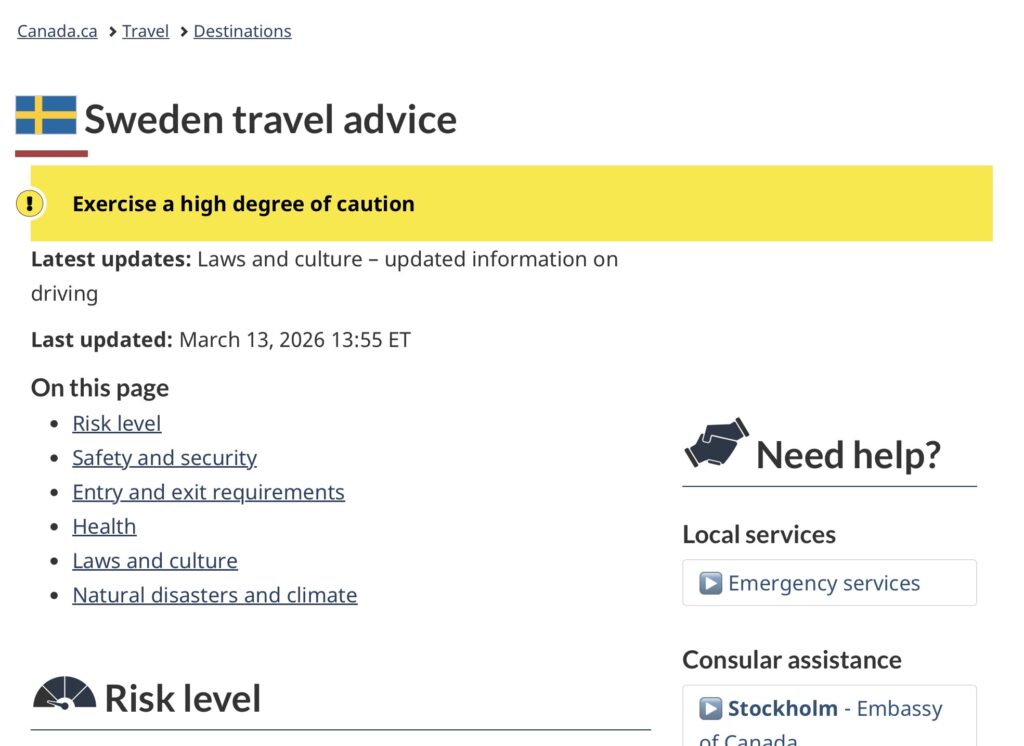
I started with the Government of Canada travel advisory webpage for Sweden. According to the Government of Canada’s advice for travellers to Sweden, the following issues mean that you need to exercise a high degree of caution:
Terrorism
There is a threat of terrorism in Europe. Terrorists have carried out attacks in several European cities and further attacks are likely.
Targets could include:
- government buildings
- schools, including universities
- places of worship
- airports and other transportation hubs and networks
- public areas such as tourist attractions, restaurants, bars, coffee shops, shopping centres, markets, hotels and other sites frequented by foreigners
Always be aware of your surroundings when in public places.
Be particular vigilant during:
- sporting events
- religious holidays
- major political events, such as demonstrations
- other public celebrations
Violent crime
Organized crime-related violence occurs in the three biggest cities in Sweden:
- Stockholm (where I’m going!)
- Gothenburg
- Malmö (where I plan on visiting/passing through on my way to Copenhagen after my practicum)
Apparently, there has been an increase in gun violence and homicides in Stockholm County, which is linked to gang rivalries. “Violent incidents have occurred in public areas, including bars and restaurants.” (https://travel.gc.ca/destinations/sweden). I am minorly concerned about being in the wrong place at the wrong time. However, I also know that these incidents are rare and often spun by those in power to promote certain narratives.
Anti-immigration sentiment
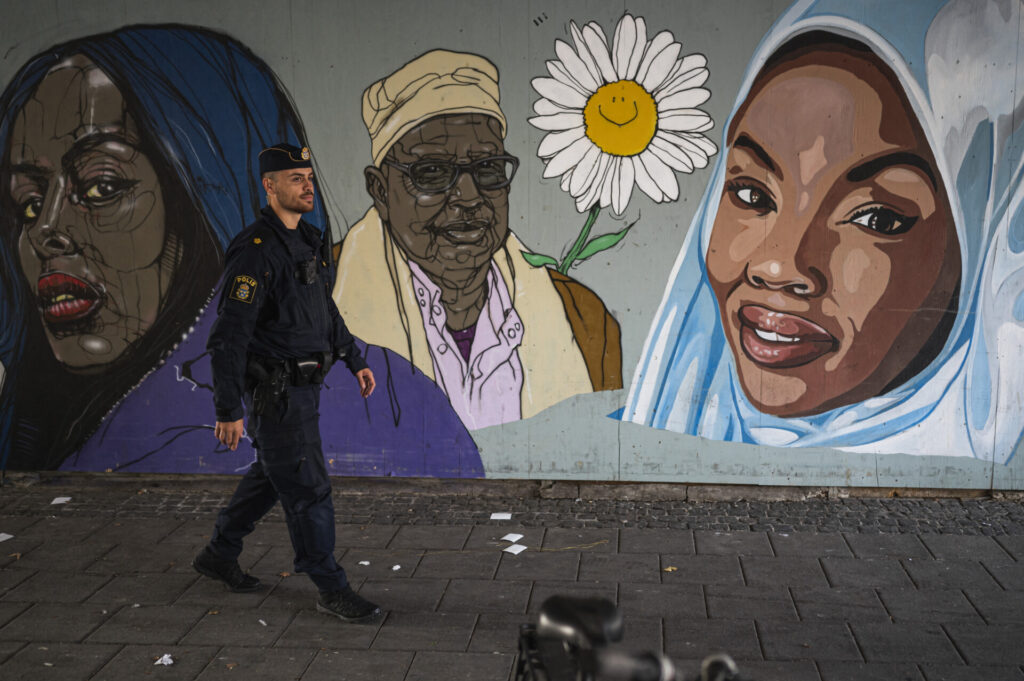
This master’s thesis from a student at Uppsala University discusses the uptick in anti-immigrant sentiment in Sweden, and how it is connected to media presentation of gang-related shootings. Swedish mass media often subtly presents shootings as an issue of immigration, highlighting when shooters are first- or second-generation immigrants to Sweden.
I recently spoke to a Swedish woman who “warned” me about how some immigrants can be “dangerous,” specifically talking about men who had come from Syria, Somalia, and Afghanistan. She said that I should be careful as a woman in Sweden, especially in the big city, where there are more immigrants. I didn’t know what to say to her, and it was a little awkward. I think that Sweden has been a very homogenous society for so long, and that there are tensions with the arrival of refugees and immigrants that cannot be separated from issues of racism and xenophobia.
This article from The Guardian shows the real-life impact of new Swedish immigration legislature on a family from Uzbekistan: https://www.theguardian.com/world/2026/jan/24/a-lot-of-fear-the-families-bearing-brunt-of-swedens-immigration-crackdown.
Sofiye, who has three children, arrived in Sweden from Uzbekistan as an asylum seeker in 2008, and for much of that time she was able to build a life in the Scandinavian country. The family lived in a flat in a Stockholm suburb and Sofiye worked for the municipality in the home help department. She learned Swedish and her children went through the Swedish school system. Her youngest son was born in Sweden and her 18-year-old son, Hamza, who is studying in college to be a technician, doesn’t know life anywhere else.
Three years ago, however, after unsuccessfully seeking refugee status four times, Sofiye lost her right to work and is now living under the threat of a deportation order. For the last two years she and two of her children have been living in limbo in an asylum return centre in an industrial area near Stockholm’s Arlanda airport.
The situation is causing her so much anxiety that for the last two months she has lost her appetite and been vomiting with stress. As she spoke to the Guardian she held a plastic bag into which she regularly retched.
I had no idea about these issues in Sweden until recently. I think that a lot of people have a picture of Sweden as an inclusive, open, liberal utopia. But it is not immune to the challenges that we’re seeing around the world, like the rise of nationalism.
Further reading:
https://newlinesmag.com/reportage/the-unraveling-of-swedens-great-society


Leave a Reply