Another key aspect of inclusive education is recognizing that students learn in different ways and at different paces. Technology can support inclusive classrooms by allowing teachers to present information in multiple formats and by giving students flexibility in how they engage with learning materials. This aligns closely with Universal Design for Learning (UDL), which encourages educators to design learning environments that accommodate learner variability from the start.
One example of this is the use of instructional videos and blended learning platforms. When teachers provide video explanations or recorded lessons, students can pause, rewind, and rewatch difficult sections as needed. This allows students to learn at their own pace and revisit material if they need additional clarification. Many classrooms use platforms such as Khan Academy or recorded mini-lessons to support this type of flexible learning. Examples of technology integration in classrooms show that blended learning tools can help students take more ownership of their learning while engaging with interactive content.
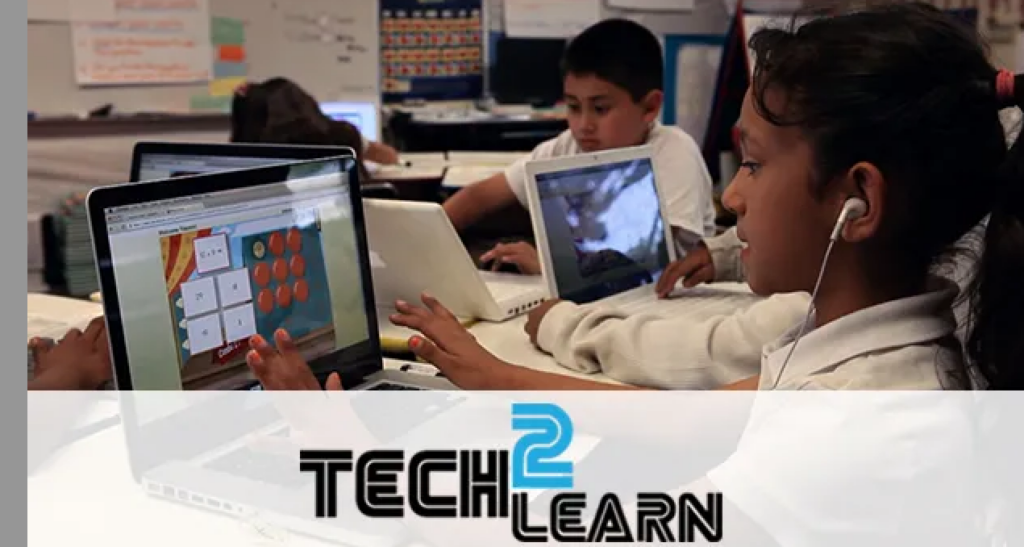
Technology also allows teachers to present information in multiple formats, which can support different learning preferences. A concept might be introduced through text, diagrams, video demonstrations, and interactive simulations. Multimedia learning tools can increase engagement and help students better understand complex ideas by combining visual and auditory information. Research on classroom technology integration highlights that multimedia resources and interactive tools can increase student engagement and support different learning needs within the same classroom.
Interactive technology can also support hands-on exploration. For example, in science classrooms, students might use digital simulations or sensors to investigate real-world phenomena, allowing them to experiment with ideas and collect data. These tools can make abstract concepts more concrete and allow students to explore ideas actively rather than passively receiving information. Importantly, differentiation through technology does not mean creating entirely separate lessons for each student. Instead, it involves offering flexible pathways so that students can engage with content in ways that work best for them. Some students may benefit from visual explanations, others from listening to audio recordings, and others from interactive exploration. By providing multiple ways to access and interact with content, technology can help ensure that all students have meaningful opportunities to learn.
Reflecting on this aspect of my inquiry, I am beginning to see how technology can help educators move away from a “one-size-fits-all” approach to teaching. When used intentionally, digital tools can help create learning environments where differences in learning styles and abilities are expected and supported rather than viewed as obstacles.


Leave a Reply