
Hej! As of Tuesday, March 10, I have a 45-day Swedish streak on Duolingo. Today, I learned the words en servitör (a waiter), en läkare (a doctor), en bonde (a farmer), and, perhaps most valuable for my upcoming practicum, en lälare (a teacher)!
Putting it together – cultural differences to be aware of as I embark on my Swedish practicum
I didn’t want to speculate widely on the cultural differences between Sweden and Canada, and I wanted some way to focus my research, because I depart for Sweden very soon! So, I looked into some models of cultural differences that originate in social psychology. One of these is Hofstede’s Cultural Dimensions Theory, a widely used network that scores countries from 0-100 on six dimensions. I used these quantifiable measures to compare Sweden and Canada to build the knowledge aspect of my cultural intelligence, as well as to help develop a strategy for appropriate behaviour in situations I’ll encounter during practicum.
You can use this
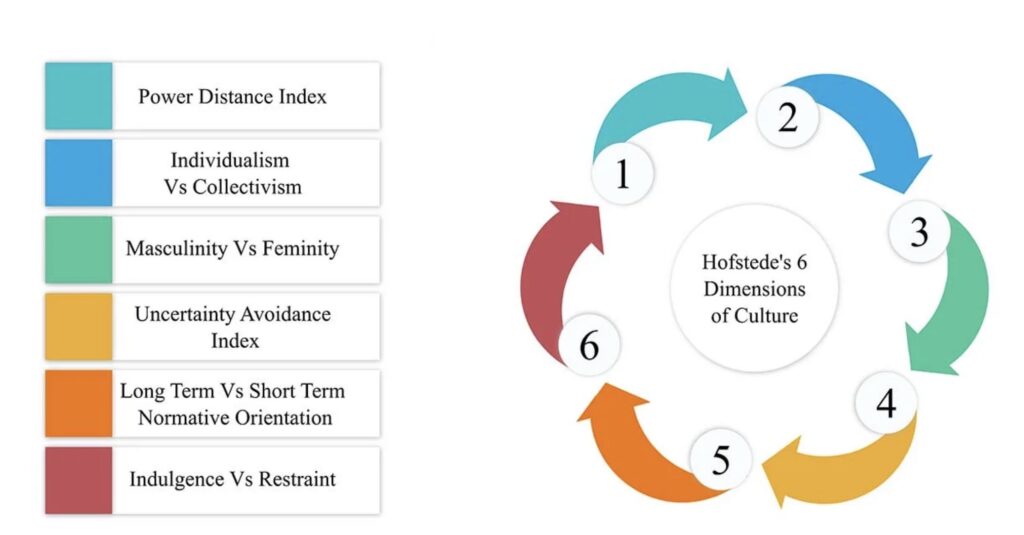
Power Distance: how authority is distributed
- Sweden: 31
- Canada: 39
Both countries have low power distance, which means people expect equality and approachability from leaders. However, Sweden is even more egalitarian. Swedish workplaces (including schools) often have flat hierarchies and informal relationships with bosses/profs/teachers.
I recently got in touch with someone who did a practicum in Sweden last year – she said that all the teachers went by their first names, and that there was no dress code – even administrators often wore jeans and flip flops to school! This could be an adjustment for me as a Canadian, where we have slightly more hierarchy – most teachers I’ve met here go by last names and expect “respect” from students.

Individualism vs. Collectivism: the degree of integration into groups
- Sweden: 71
- Canada: 80
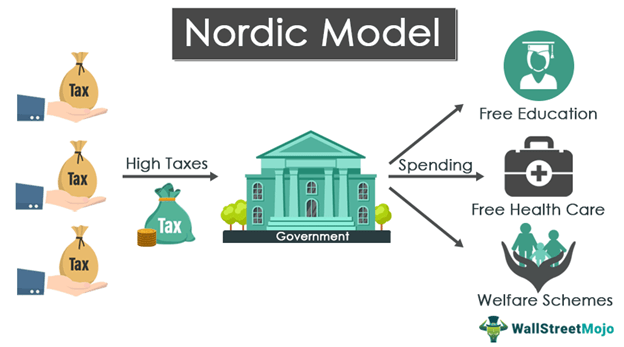
Both cultures are very individualistic, but Canada is slightly more individualistic, which means we emphasize independence and personal achievement more than Swedes do. I can see this reflected in the Nordic model, which is not socialism, but a high-tax welfare state with a strong social safety net. I heard that schools are well-funded, and students and teachers all receive delicious and nutritious free lunches! Yay!
Motivation towards Achievement and Success
Note – this dimension was originally called Masculinity vs. Femininity, which is less of a mouthful, but very binary – the names reflect a rigid, traditional sense of gender roles. Here, we should recognize that Hofstede created his framework in the 1970s/80s. Despite the original name of this dimension, it is still valuable.
- Sweden: 5
- Canada: 52
Wow! A big difference here. Sweden is extremely oriented towards cooperation, modesty, and work-life balance. It is considered rude for work to impinge on personal commitments. Canada tends to prioritize performance and ambition and success more than quality of life – noooooo!!!
Uncertainty Avoidance: a society’s tolerance for risk and ambiguity
- Sweden: 29
- Canada: 48
Both Canada and Sweden are are relatively comfortable with uncertainty, but Sweden is more relaxed. This might mean that Swedes tolerate less rigid structures, while Canadians plan more and like clearer rules and procedures. I can see this resulting in a relaxed atmosphere in my practicum school.
Long-Term vs. Short-Term Orientation: how a society prioritizes future rewards or instant gratification
- Sweden: 53
- Canada: 36
Here, Swedish culture is more focused on the long-term. This makes sense, as Sweden is known for its focus on sustainability (e.g., Greta Thunberg’s climate crisis activism). In Canada, we are slightly more short-term oriented and focused on quick results. Here is the link to a picture book on Greta Thunberg that I would totally read to my practicum students – except, they are in Grades 7-9, so they might be too old (and know too much about Greta Thunberg as fellow Swedish youth) to properly enjoy it: https://youtu.be/07PJDi_vcv4?feature=shared.

Indulgence vs. Restraint: the extent to which a society allows relatively free gratification of basic human drives
- Sweden: 78
- Canada: 68
Both countries have indulgent cultures – people value having fun and freedom. Sweden scores slightly higher, which I think is good for me as I head out on practicum, because I tend towards hedonism – I am a huge advocate of having a good time!
I’ve also read that Swedes place high value on leisure time, happiness, and self-expression. Sweden always ranks high on the quality of life index. It’s also one of the most tolerant countries in terms of gender identity and sexual orientation. Same-sex sexual activity was legalized in Sweden in 1944 (woah!) and gay marriage has been legal since 2003. Personal freedom is very important to Swedes.
That’s all I’ve got for now! I can’t wait to see what the culture is like in Sweden – because I can do as much research as possible, but I won’t really understand until I experience it first-hand!
Vi ses!
Macy


Leave a Reply