I really enjoyed the topic this week! I’m always looking for ways to make education more fun and engaging for learners. I’ve said before that so much of our responsibility as elementary educators is getting students to want to come to school, to get curious and to be motivated to learn. Gamification and game-based learning is a great way to do this!
In the pre-class materials, and the synchronous discussions, we explored the difference between gamification and game-based learning. Essentially gamification refers to incorporating game elements such as storylines, point systems, challenges or badges to regular learning to increase engagement. Game-based learning on the other hand is learning that happens with a game. The game is designed for the purpose of learning. We had the opportunity to hear from Kara Dawson and her work with Minecraft as an education platform. Her talk was really interesting! I’ve never played Minecraft, so I was ignorant to it’s educational potential. It seems to be a powerful tool to engage students using something many are already so familiar and passionate about. You can learn more about the Minecraft Educational tools she has here. Lastly, we played some game-based learning programs for students and discussed their utility. I found them interesting. They are a great way to introduce topics but I think there needs to be some learning scaffolded around the game for more valuable learning to occur.
Gamification & Game-Based Learning in Practicum and Future Practice
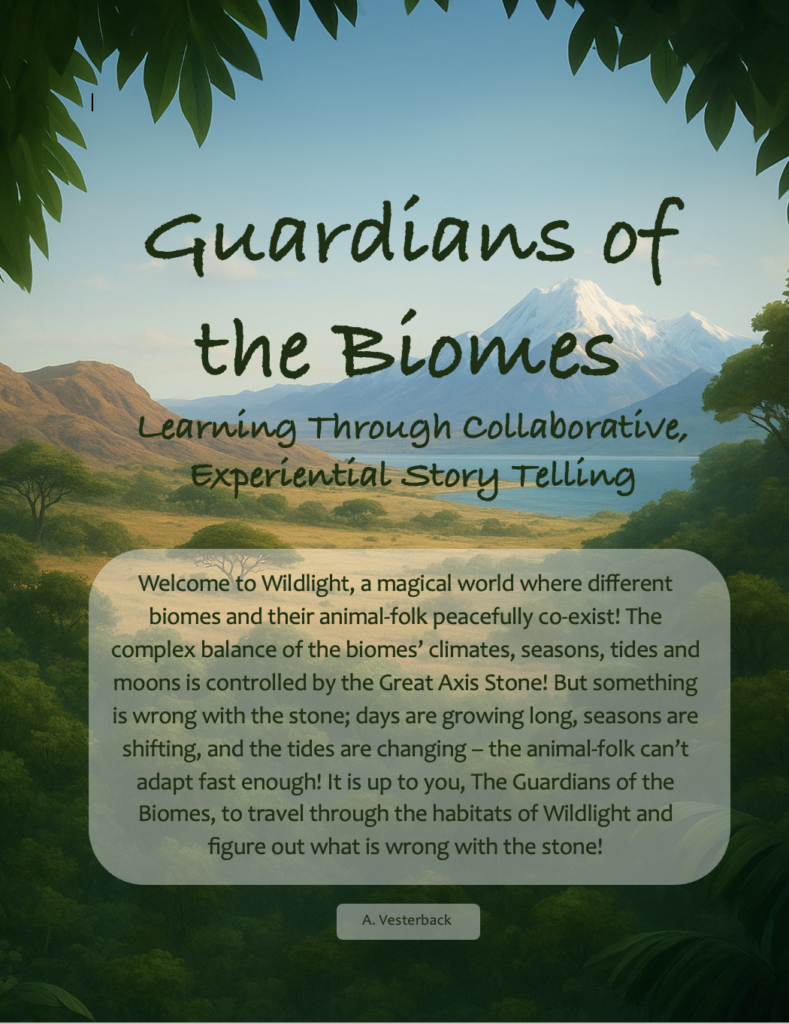
I got my placement in a grade 1 classroom, and I will definitely be using gamification in my practicum. I found the examples of the Red River Rebellion in the pre-class material very useful. The way it integrated stories into the activities by framing them as challenges struck me as a very easy yet useful strategy to elevate engagement, especially with the convenience of GenAI tools. I think this strategy as well because it aligns with the First Peoples Principles of Learning, particularly that learning is embedded in story and experience. This will be quite useful for first grade as so much of their learning takes place in stories already. Stories also help give context to learners, creating new ways that they think about and engage with material. Other features of games such as points, and badges already seem embedded in the everyday classroom, it didn’t occur to me that that is considered gamification.
As far as game-based learning goes, I’m not sure I will be diving into Minecraft or other systems for my first practicum. They seem like very valuable tools, but I’m not sure I have the confidence (yet) in the programs to be able to facilitate a lesson on them. I had designed a Dungeons & Dragons inspired learning plan for a literacy course last semester. It was an interdisciplinary unit between science and literacy, where students made characters as groups, and worked together as they progressed through the campaign. It’s an idea that I would love to bring to life at some point in my teaching career, however I’d like to start small during my practicum. There are so many things to learn in our practicums as it is, I wouldn’t want to bite off more than I can chew!
Game Features as Effective Learning Tools
I think using games to help students learn meets them where they are at. We are repeatedly told that we need to tailor teaching to the interests of our students. Bringing Minecraft in the classroom or similarly styled games is a perfect example of this. In a way it’s like tricking students into learning… as bad as that sounds! As I mentioned above, I think challenges and stories is another great tool, that provides context to activities. They’ll remember why they were doing something. Point systems and badges are another effective learning tool. However, I worry that these external motivations will impact the development of internal motivation for learning. Regardless, there is a time and place for everything, as long as these systems are balanced by practices that promote internal motivation I don’t see the harm.


Leave a Reply