In my first post, I framed inclusive education as something that should be intentionally designed from the outset rather than retrofitted through accommodations. Building on that foundation, this post explores one of the most immediate and visible ways technology can support inclusion: accessibility. When used thoughtfully, technology can remove barriers that might otherwise prevent students from fully participating in learning.
During my Link2Practice placement, I observed a powerful example of this in action. One student in the classroom had a hearing impairment, and the teacher wore a small microphone that transmitted her voice directly to the student’s hearing aids. The setup was simple, just a lightweight microphone clipped to the teacher’s clothing, but the impact was significant. Instead of struggling to hear instructions over classroom noise or from across the room, the student had direct, clear access to the teacher’s voice at all times. What struck me most was how seamlessly it was integrated into the classroom routine. There was no disruption, no spotlight placed on the student, just thoughtful design that allowed full participation.
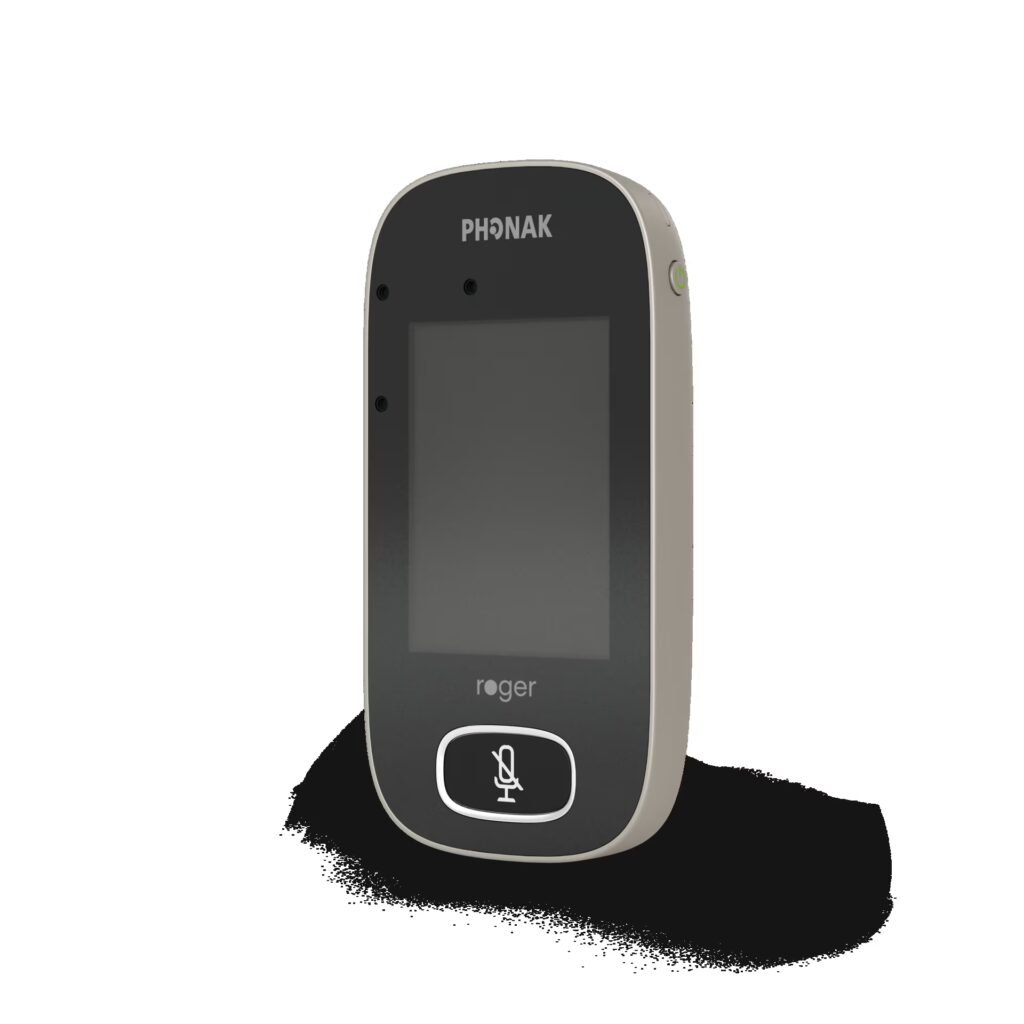
This experience shifted my understanding of accessibility tools. Many of them are not complicated or flashy; they are often small adjustments that make a profound difference. FM systems and remote microphones for students with hearing impairments, captioning tools for videos, text-to-speech and speech-to-text software, screen readers, visual timers, and adjustable display settings all function in similar ways. They are relatively easy to implement, yet they dramatically reduce barriers to learning. When built into classroom practice, these tools allow students to access the same content as their peers without being singled out.
What stands out to me is how these technologies shift the focus from “fixing” the learner to adjusting the environment. Rather than asking a student to work harder to overcome a barrier, we modify the space so that learning becomes more accessible. This aligns closely with Universal Design for Learning, which encourages educators to anticipate variability and design flexible pathways from the beginning. The microphone system I observed was not an afterthought, it was a proactive measure that ensured equitable access.
At the same time, accessibility through technology is not automatic. Teachers need awareness, training, and institutional support to implement these tools effectively. Access to funding and equipment also matters. However, my Link2Practice experience reminded me that inclusive technology does not always require complex innovation. Sometimes, it is as simple as a microphone and a commitment to ensuring every student can hear, participate, and belong.
As this inquiry continues, I want to further explore how technology can expand beyond accessibility supports and contribute to differentiated instruction and student voice. If small tools can make such a meaningful difference in access, I am curious about what becomes possible when inclusive design shapes the entire learning experience.


Leave a Reply