While technology holds promise for accessibility and cultural inclusion, it is impossible to ignore the realities of equity and access. The question is not simply whether technology can support inclusion, but whether all students have meaningful access to the tools required for it to do so. This is where conversations about the digital divide become essential.
The digital divide extends beyond simply having a device. It includes access to reliable internet, updated software, assistive tools, and even quiet spaces to learn. It also includes digital literacy: the skills needed to navigate online environments effectively and safely. Students from lower socioeconomic backgrounds, rural communities, or marginalized groups may face significant barriers in these areas. If technology becomes central to instruction without equitable access, it can unintentionally widen gaps rather than close them.
There is also a divide in how technology is used. Some students may experience technology as a creative and empowering tool, while others may only engage with it through drill-based or restrictive programs. Inclusion requires more than device distribution; it requires thoughtful implementation, teacher training, and institutional support.
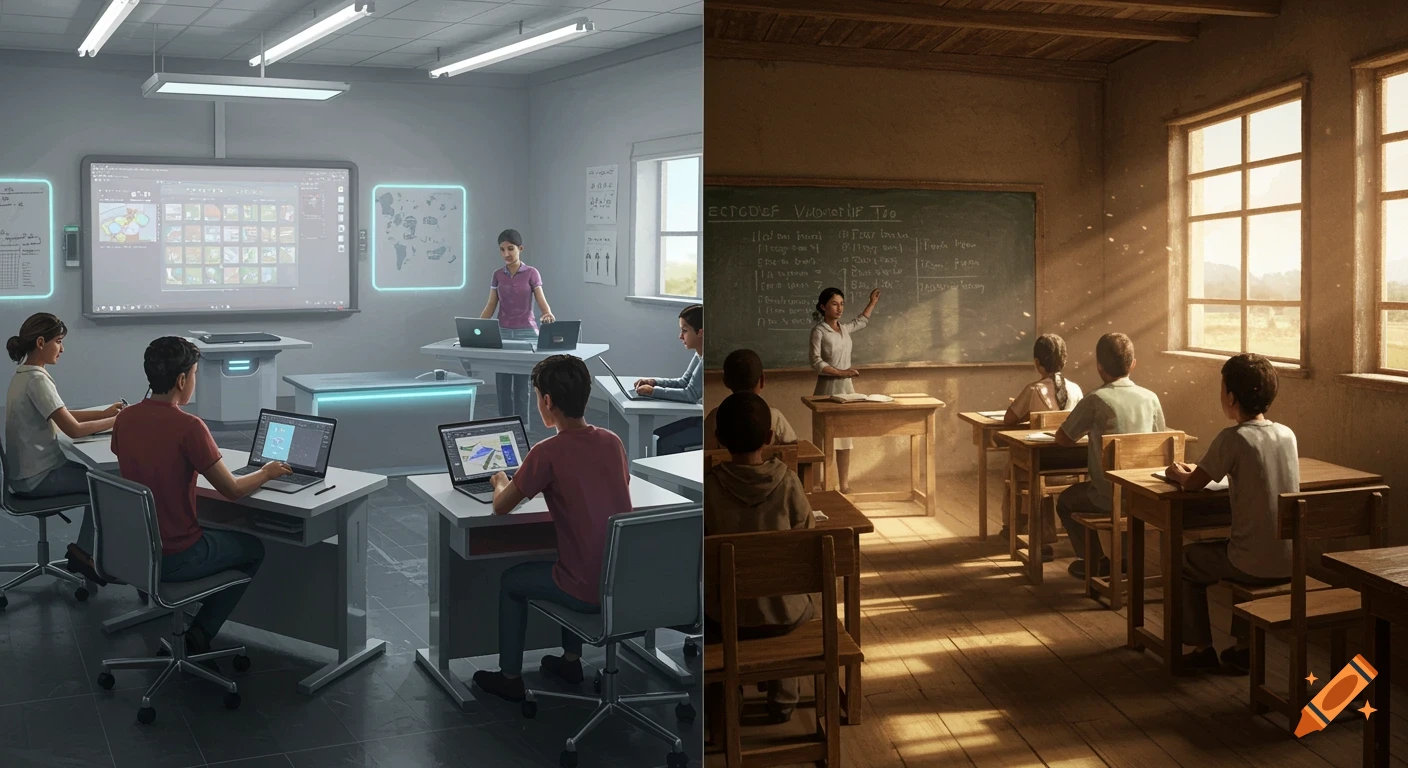
Reflecting on this tension has challenged me to think critically about my own assumptions. It is easy to be enthusiastic about innovative digital tools, but inclusion demands that we ask harder questions: Who might be left out? Who benefits most? What supports are necessary to ensure equitable participation? Technology should not replace strong pedagogy or relationships, nor should it become a shortcut for addressing systemic inequities.
While I continue with my inquiry, I am recognizing that technology’s role in inclusive education is deeply contextual. Its impact depends on funding structures, school policies, teacher preparation, and community realities. Inclusion cannot rely on technology alone. Instead, technology must be embedded within a broader commitment to equity, intentional design, and care.


Leave a Reply