Welcome to my inquiry! Välkommen! My name is Macy and I’m a teacher candidate at the University of Victoria. I’m gearing up to my first practicum in April in Stockholm, Sweden! That’s right – Sweden!
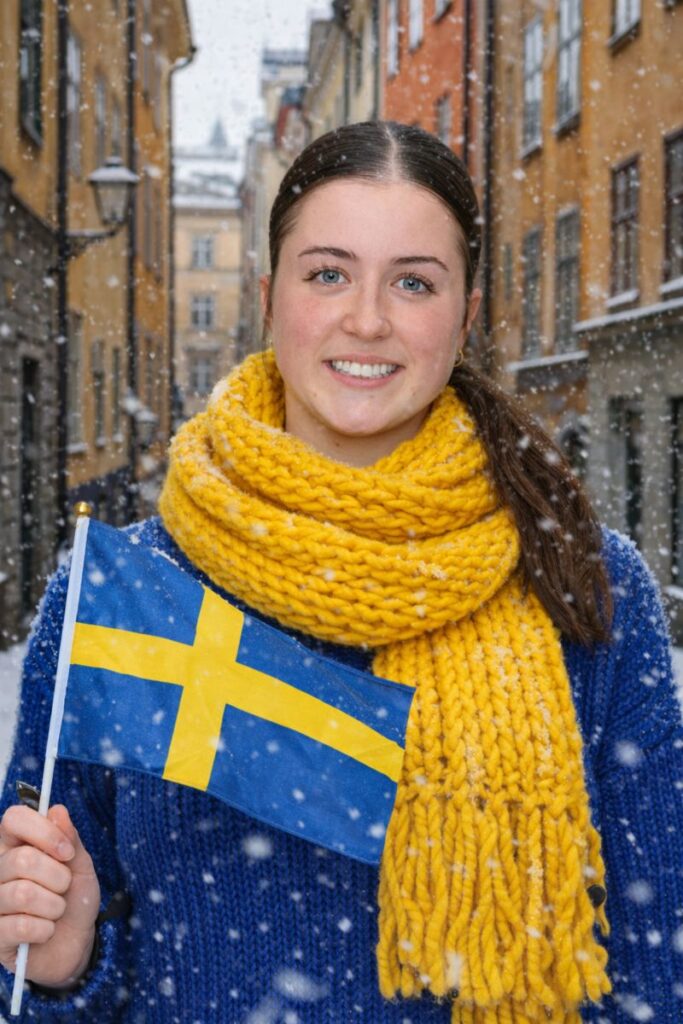
When I started the BEd Post-Degree Professional Program, I didn’t know that there was an option to go abroad for the 6-week practicum. Part of why I applied was on a whim. I’ve barely traveled at all – unless you count when I was a young child (my dad played professional basketball in Europe and I lived in England and Spain as a youngster). I’ve essentially been in North America ever since, save a school trip to Venice in 2018). In fact, I haven’t been on a plane since 2019 – that’s one of my go to two-truths-and-a-lie statements. I feel like I haven’t had the transformative experience of solo travelling that a lot of my peers have had. Although I’m so grateful for my life in Victoria, I think a little exploring is long overdue.
My bigger reason for choosing an international practicum placement was to broaden my horizons. I’m ashamed to say that I know very little about Swedish culture. However, I have always been curious about Scandinavia and interested in its history (Vikings!!!). I’m professionally fascinated by the school systems in Scandinavia. I remember meeting an elementary school friend who’d recently emigrated to Vancouver from Finland. Alex constantly raved about how school back home was so much better. I’ve heard this statement echoed countless times since – in news articles, in sociology textbooks during my undergrad, and by pretty much anyone who I’ve told I’m headed to Sweden for my practicum.
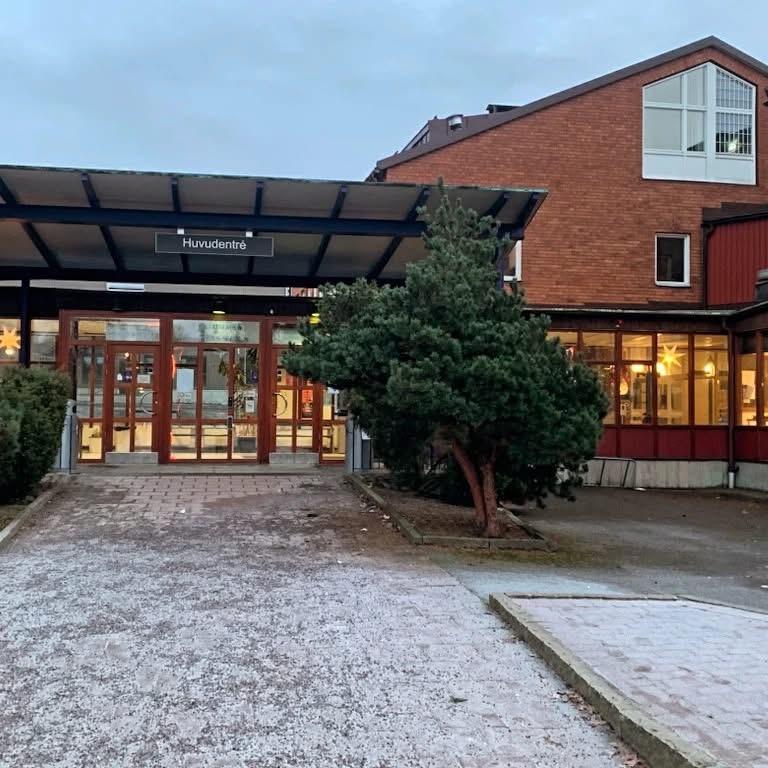
An Inquiry into Swedish Culture and Language
I hope to learn from my mentor teacher (and students) at Eklidens Skola in Stockholm and bring what I learn back to my colleagues here in Canada. I also hope to gain experience and understanding of what it’s like to be new to a country and unfamiliar with the language. That way, I can better understand and support my future students who are newcomers and/or learning English as an additional language.The crux of my inquiry will be exploring Swedish language and culture. I have always been interested in language acquisition, but I only speak English. I figured this inquiry project could be a chance to…
- Challenge my brain: Research from York University suggests that learning a second language in adulthood can thwart the onset of dementia. I have experience with Alzheimer’s disease and I am very interested in preventive health and all the ways that people can boost their cognitive reserve.
- Prepare for the culture shock that might await me in Stockholm: in my next blog post, I plan to investigate the idea of cultural intelligence (CQ) and develop knowledge of behavioural preferences/values in Sweden that might differ from what I’m used to in Canada.
Inquiry-based learning centres around driving questions. I started my inquiry project with a topic – Sweden! But I’ve been developing some open-ended questions to guide my research:
How might someone acquire a rudimentary understanding of a new language, starting from scratch, as an adult?
guiding question #1
How are Swedish and Canadian culture different and the same?
Guiding question #2
How does the landscape affect how people gather and celebrate?
GUIDING question #3
Learning Swedish
I started my Duolingo journey this week, and I have a 7-day streak – yay! The Duolingo owl is persistent, and the app does a great job of gamifying language learning. Gamification is actually something I’m very interested in as a pedagogical approach (maybe I’ll write another blog post about this later). I am getting frustrated with how slowly Duolingo is progressing… it doesn’t feel like I’m levelling up. That being said, I do feel like I have a strong grasp of the few words it has taught me so far.
The first thing Swedish Duolingo teaches you is how to order items at a café or a bar, which I find interesting. Here are the words I’ve learned thus far:
vatten – water
öl – beer
vin – wine
bröd – bread
mjölk – milk
kaffe – coffee
hej! – hello
hej da! – goodbye
tack – thank you/please
välkommen – welcome
och – and
Typing, selecting, and speaking the word kaffe over and over again on my iPad had me thinking that coffee must be an important part of the average Swede’s daily life. A family friend of mine is in the Gustavson School of Business here at UVic, where it’s common for students to do semesters abroad, and she studied in Sweden this fall. I remember seeing an Instagram post of hers about a Swedish custom called fika.
“kaffe och mjölk”
Practicing my pronunciation – play the voice recording to learn how to say coffee and milk in Swedish! It’s quite close to English.
Turns out that Duolingo is onto something – coffee IS big in Sweden!

Fika
A cherished tradition where Swedes take a mandatory daily break to sip coffee or tea and have a sweet treat with friends, family, or colleagues. Fika is a “coffee break,” but it’s equally (or more) about social connection and pausing to rest than it is about hitting your caffeine quota.
Swedish sweet treats: kanelbullar (cinnamon buns) and chokladbollar (chocolate balls)
Read more about fika here: https://visitsweden.com/what-to-do/food-drink/swedish-kitchen/all-about-swedish-fika/
Now, if you’ll excuse me, my PDPP peers are waiting to chat with me over coffee! I think it’s interesting that coffee and treats with friends has a name in Sweden – that signifies its importance and the fact that catching up is a priority! I think I’m going to like fika!
Tack! Hej da!
Macy


Leave a Reply