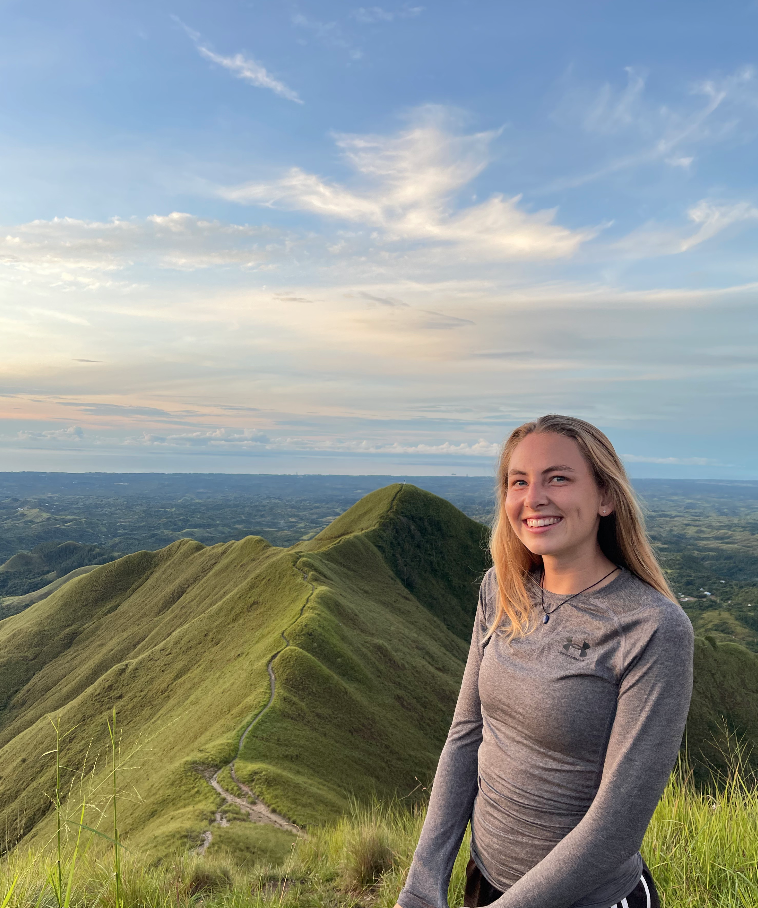
Travelling is known to be stressful and expensive. As someone who has travelled an awful lot, I can also confirm that it is one of the most rewarding experiences you will have in your life. You are able to see places, cultures, and participate in events that you would never get to at home. I took a year off after finishing my undergraduate degree to travel Latin America, Hawaii, Australia, and New Zealand and saw things that absolutely took my breath away. Of course, there are always downfalls when travelling, such as being bit by a bullet ant in Costa Rica, getting chikungunya in Nicaragua, and the incredibly long travel days on hot busses. But in my opinion, the pros will always outweigh the cons.
When looking at how this topic relates to elementary education, I would like to direct attention to the BC Curriculum Overview. Starting in kindergarten, financial literacy is a large part of the mathematics curriculum. It begins as financial role-play, turning into monetary exchanges, then financial planning. In grade 6 it becomes focussed on budgeting and making smart financial decisions. Planning a trip requires being able to budget your money and make smart financial decisions. From talking to teachers in my life, they enjoy allowing their classes to plan trips within a budget so they can challenge them to use the resources that are available to them online.
The layout of this inquiry will go through the different elements of travel and different resources that can be used to make it a more budget-friendly experience. Starting with flights, we will compare technologies that allow you to find the best deals on what is often the most expensive part of travelling. Then we will look at accommodations, and the pros and cons of staying in different styles of housing. Transportation, whether that is getting to and from the airport or between countries on a long-haul backpacking trip, will be our next topic. Then, an overview of different credit cards and how they can help you save money on travelling by getting bonus points. Finally, talking about cultural experiences, food options, and an ultimate packing list to save money on the road will wrap up this inquiry project.


Leave a Reply