For this week’s seminars, I chose AI in elementary classrooms and Live It Earth. Both sessions were great opportunities to learn about these technologies and consider how they can be thoughtfully integrated into classrooms.
AI in Elementary Classrooms
The seminar of AI in elementary classrooms provided a helpful overview of potential risks and practical ways for navigating AI with younger students. I found the educator tools great for introducing these concepts in developmentally appropriate ways. I particularly liked the idea of discussing environmental impacts with children and engaging students in a project to brainstorm solutions to climate concerns connected to AI. This approach not only builds awareness but also allows students to think critically about the larger issues.
I found the presenter’s comment that Canada and the US are behind in AI policy and implementation very interesting. To me, this reflects the values of our society which often prioritize profit and technological advancements without considering the ethical implications. We often see this pattern throughout society and the disregard for people and communities that stand up to it. I appreciate that the many risks surrounding AI were discussed. The presenter noted that one of the largest ethical concerns is not being able to distinguish what is real from what is AI-generated, while I would say that this is certainly significant, I would argue that the human rights violations and issues of exploitation are more of an ethical concern. As noted in my previously reflections, we must continue to revisit the idea that no AI is truly ethical when it is hurting people and the environment.
Live It Earth
I was blown away by the Live It Earth platform and the immense range of resources for both educators and students. The design and accessibility of the site really inspires engagement and learning. It feels like a powerful tool for teaching topics that are relevant to local communities and empower Indigenous voices. I particularly love how each topic integrates storytelling, local Indigenous language, and art into science learning. For example, the W̱SÁNEĆ moon cycles are incorporated into curriculum for many schools in our local districts and the Live It Earth resource on this topic is a great way to further explore this topic with students from local Indigenous perspective.
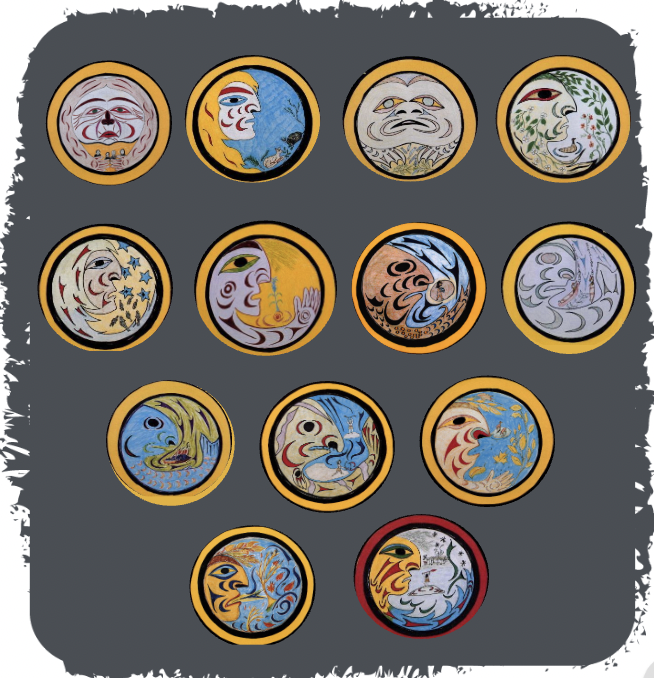
Image: The W̱SÁNEĆ moon cycles https://app.liveit.earth/en/resources/wsanec-moons-slideshow/media
Overall, I am very grateful for the opportunity to participate in these seminars. Both provided meaningful leaning experiences and deepened my thinking about how technology can be used within the classroom.


Leave a Reply