This week, we discussed some of the recurring themes that have appeared in our class’s blog posts regarding GenAI. Some of the main concerns brought up by other students include how much choice we have in using GenAI and environmental concerns.
Do we have any choice about using GenAI?
I think we have some choice in using GenAI but not as much as we think. There are explicit or obvious GenAI platforms such as ChatGPT, Gemini, and Claude that can be avoided. I have easily avoided using these platforms up until this course. However, GenAI is enmeshed into the majority of large platforms such as Meta, Google, Microsoft, and Apple. GenAI is being utilized within these platforms in ways that is impossible or near impossible to bypass.
Can we avoid its use?
GenAI is something that can be avoided in an individual’s personal life and their choices. However, it is becoming increasingly popular in use in education as well as jobs. I’m not entirely sure when this shift happened, but it felt like within the last year, suddenly everyone was trying to get in on implementing GenAI in one way or another within their lives. Additionally, while I understand wanting to ensure that you are up to date with the latest technology, I believe it is also important that we take a step back and actually take the time to process new technology before we adopt it so quickly. I took a sociology course a few years ago that focused on technology, and a researcher we learned about was Ursula Franklin. A major argument Franklin made was how technology is often viewed as perfect and something we take for granted that does not need to be questioned (A. Ipe, personal communication, September 2023). While this is a small area of her research and thinking, I believe she makes an extremely important point.
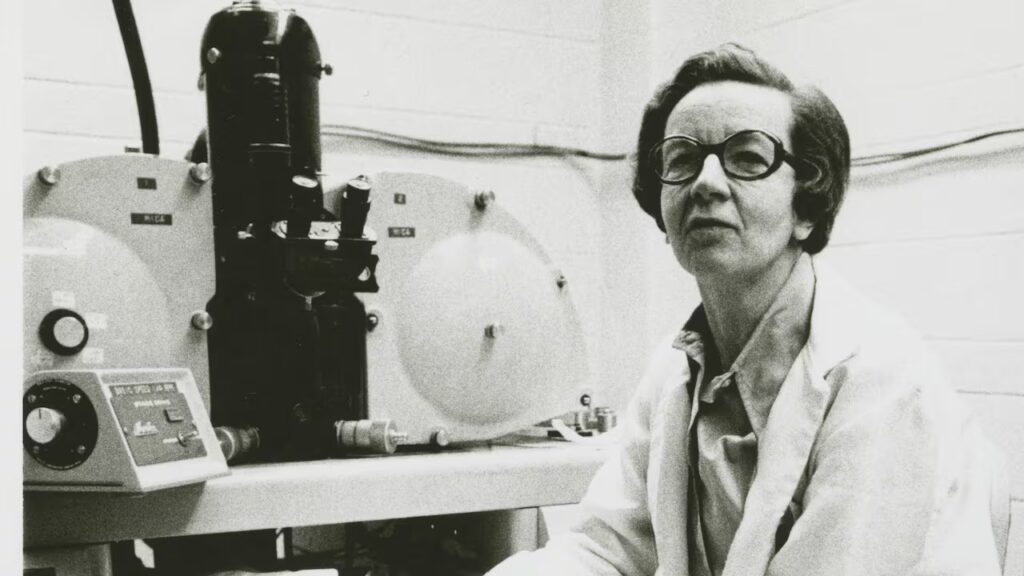
Additionally, we also learned about the evolution of technology and how over time, technology evolves faster each time (A. Ipe, personal communication, September 2023). This can be referred to as the autocatalytic process (a chemistry concept) (A. Ipe, personal communication, September 2023). The autocatalytic process can be broken down into two phases: 1. New technological advancements lead to the creation of faster advances in shorter time periods 2. The creation new technologies lead to recombinations by taking what is pre-existing and combining it with something different to make something new (A. Ipe, personal communication, September 2023). I think this can connect back to Franklin’s argument about the lack of questioning around technology, especially with how quickly it has progressed over the last several decades.
Can the environmental impacts be mitigated? Will the tech giants solve the power and water overconsumption?
I want to believe we have the ability and the knowledge to reduce the environmental impact of GenAI. However, I do not believe tech giants feel any kind of incentive to reduce how much power, water, and additional resources such as land are consumed and polluted. They are too financially driven to be concerned with how their technology is impacting others. Below is a TikTok video from The Times covering Elon Musk’s AI supercomputer project in Memphis Tennessee, and the significant impact it is having on residents.


Leave a Reply