I found this week’s topic very interesting because it highlighted the positive and practical applications of AI in education. I particularly enjoyed learning about the ADDIE model, as it provides a clear and organized framework for creating lesson plans that intentionally align with UDL principles. In the context of the public school system, where teachers often have large class sizes and increasing pressure to customize learning, I see how AI can be an effective tool to support both teachers and students. When used thoughtfully, it can help provide more personalized and engaging learning experiences. I see how AI can provide resources for educators and provide multiple ways of engagement, representation, and expression, allowing diverse learners to access content in ways that meet their individual needs.
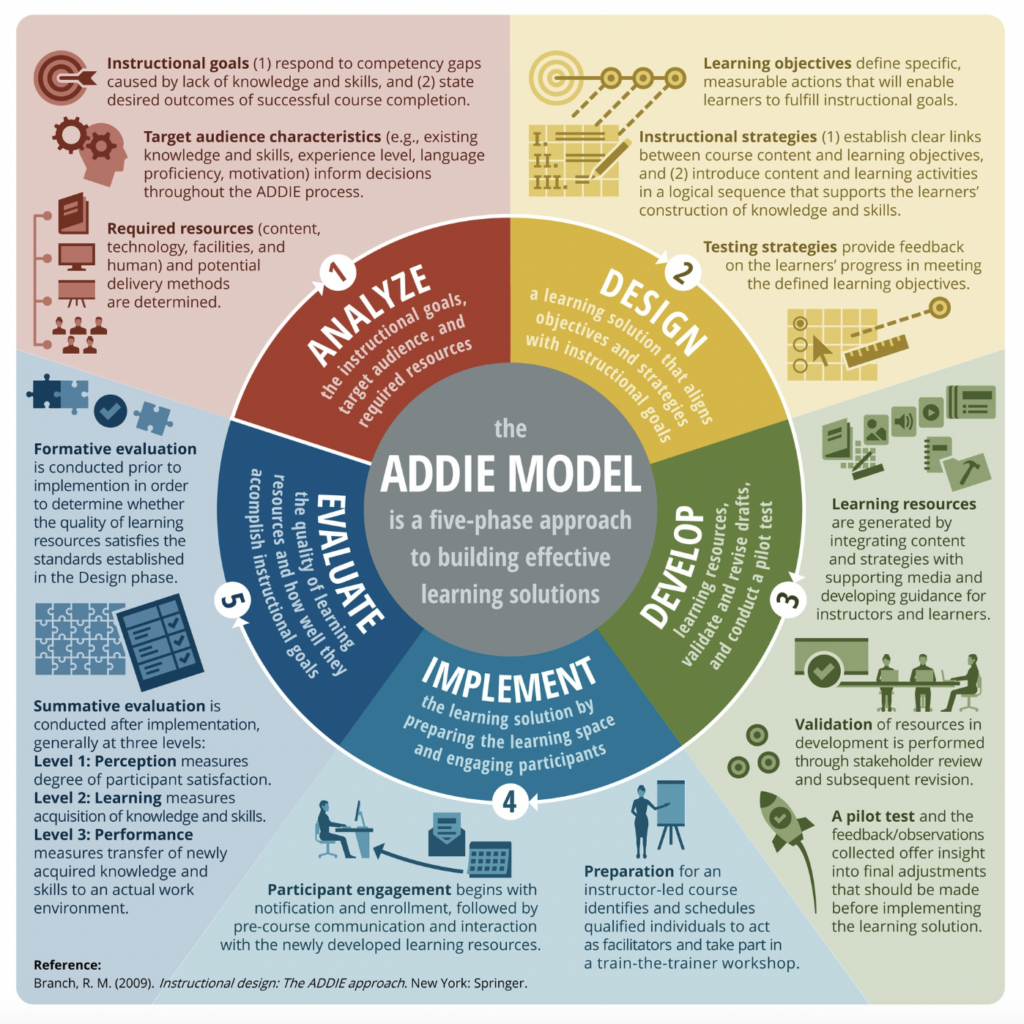
The article Universal Design for Learning and Artificial Intelligence in the Digital Era: Fostering Inclusion and Autonomous Learning by Silvia Saborío-Taylor and Fabián Rojas-Ramírez helped deepen my understanding of how AI can be used not only by teachers, but also by students to support their learning. I found their perspectives interesting as it highlights how AI can be used to encourage student autonomy and ownership of their learning. The authors emphasize the importance of exploring how new technologies can benefit inclusive education, for example, through supporting self-directed learning that allows students to choose how they interact with content. At the same time, it also raises important ethical considerations, similar to what I have discussed in previous reflections. It is critical that students are taught how to use AI to enhance their engagement and understanding, rather than relying on it for answers or replacing critical thinking. When students use tools such as AI in a productive way, they can take on a leadership role in their learning, which can increase motivation and help them understand their own learning needs and goals. Overall, this week allowed me to reflect on the idea that AI, when used intentionally, can be a powerful tool in fostering inclusive, student-centered learning environments.
References
Saborío-Taylor, S., & Rojas-Ramírez, F. (2024). Universal design for learning and artificial intelligence in the digital era: Fostering inclusion and autonomous learning. International Journal of Professional Development, Learners and Learning, 62), ep2408. https://doi.org/10.30935/ijpdll/14694


Leave a Reply