Updated: Oct 19, 2025
Learning Outcomes
By the end of this module you will be able to:
- Outline a rudimentary process to support the design of learning media
- Understand the importance of iteration and feedback in the design process
- Apply divergent and convergent thinking modes appropriate for specific design tasks
- Describe the process of backward design as applied to learning media
- Recognize a constructive alignment in learning outcomes, assessment, and activities
The Design Process
Each step of the design process demands a different kind of thinking. Successful designers are able to recognize where in the design process they are and effectively shift their mindsets. This is not only valuable for the task at hand but also necessary to communicate with others/when working in groups.
In its simplest form, the design process includes the phases of:
- Understand: Clarify the problem. Ask questions, observe, and find out what’s needed and why. Identify what’s known, what’s unknown, and what conditions must be met. Visualize or sketch the problem to make sense of it.
- Plan: Connect what you know to what you need to find. Generate ideas and look for patterns or similar examples. Choose an approach that connects what you know to what you need. Outline clear steps and gather what you’ll need to try it out.
- Try: Put your plan into action. Build, test, or model your idea. Check your progress along the way and adjust when things don’t work as expected. If something fails, revise your plan or simplify the problem and try again.
- Reflect: Look back on what happened. Check your result and reasoning. What worked well? What could be improved? Could it be simpler, clearer, or more general? Use what you learned to refine your idea or approach the next challenge more effectively.
Divergent vs. Convergent Thinking
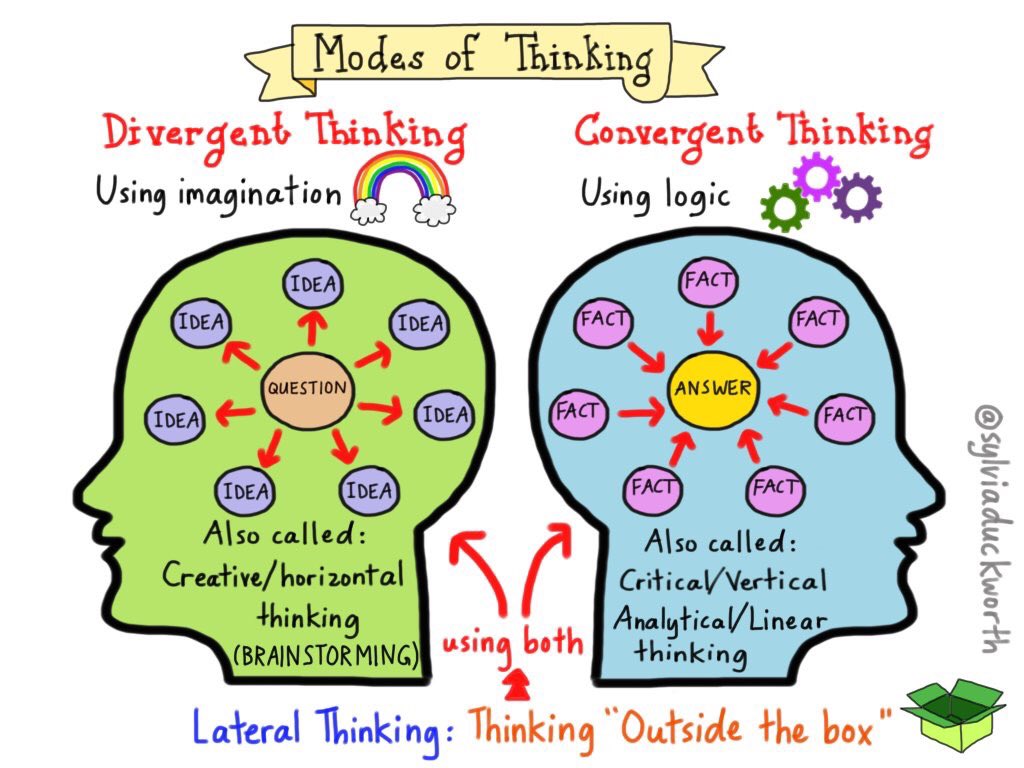
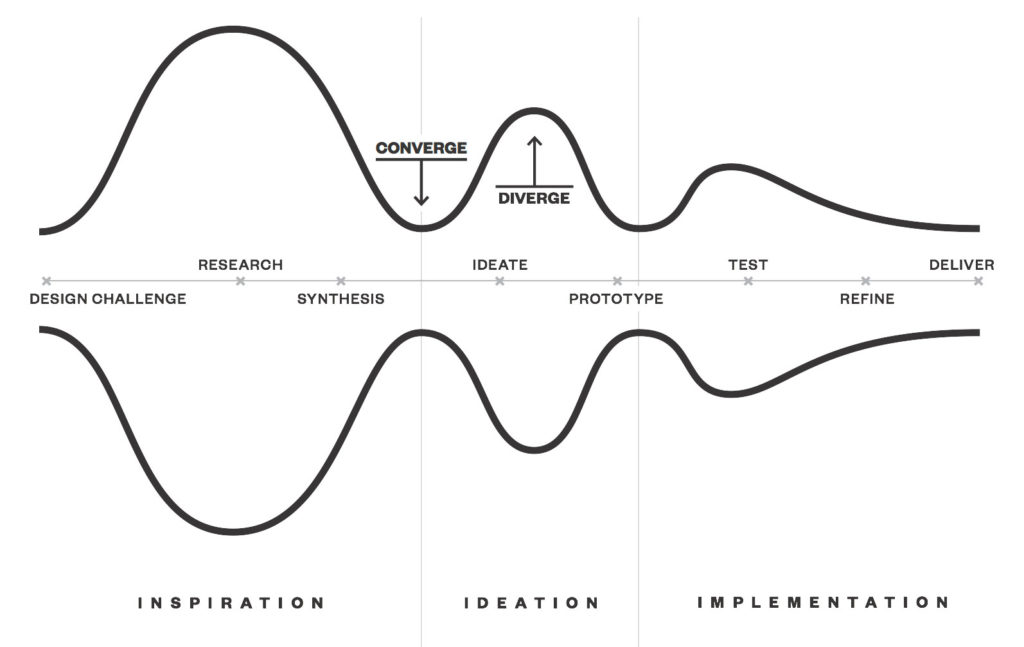
In design, two fundamental modes of thinking are often used: divergent thinking, which involves expanding ideas broadly and exploring many possibilities, and convergent thinking, which focuses on analyzing, refining, and combining ideas into clear solutions.
Iterate
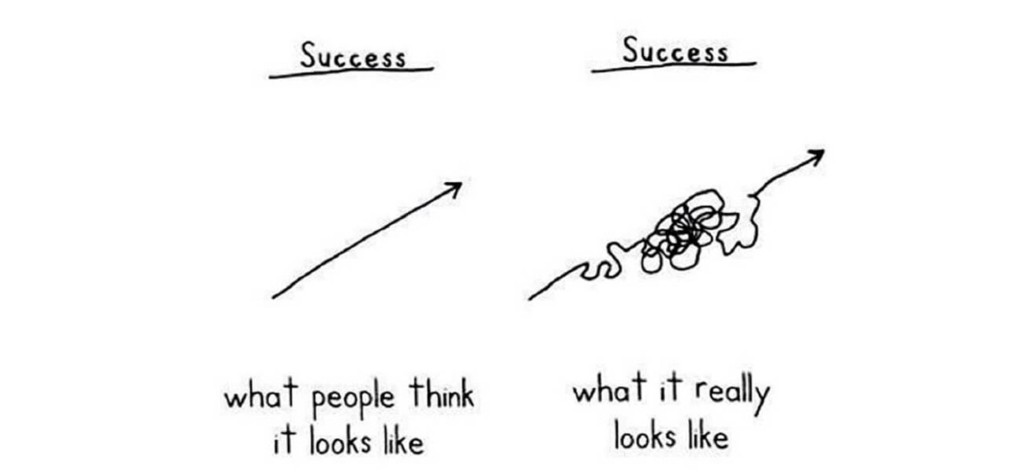
Design is not linear. Each time you engage, test, or explore, you’ll learn something new – often something that challenges or contradicts what you thought before. It is important to revisit earlier design decisions and steps with this new understanding, allowing your design to evolve as your understanding does.
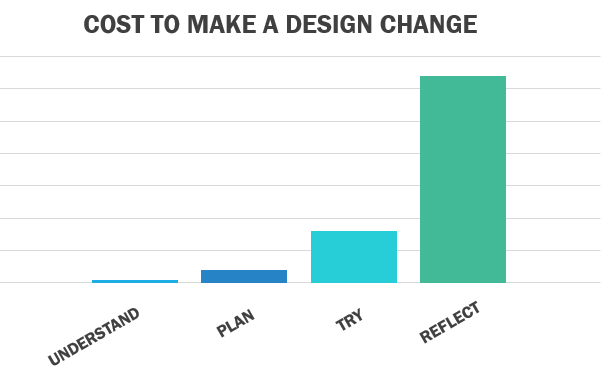
It’s important to iterate often. Each change may take time or resources, but every adjustment brings you closer to a stronger, more considered design. The sooner a design change is made, the smaller its cost. So, iterate frequently, whenever new insights emerge.
Backward Design
Backward Design is a process that begins by identifying the desired end result and then determining what is needed to achieve it. In education, however, an additional step is essential: verifying whether students have actually met the learning goals. So, when we design educational experiences using Backward Design, we:
- Define the Learning Objectives – clearly identify what we want learners to know, understand, or be able to do.
- Design Assessment Strategies – determine how we will know if learners have achieved the learning objectives. (Note: In the Design Challenges of this class, we often skip this step)
- Design Learning Activities and Instructional Resources – develop methods, materials, and experiences that support learners in reaching the learning objectives.
This approach helps ensure that after the educational experience, learners leave with the core understanding or skill you intended.
Moore. (2019). Backwards Design: A great way to move forward!
Dive Deeper: A teacher reflects on their experience with learning to use Backward Design techniques for lesson design (also available as a podcast).
Gonzalez, J. (2020). Backward Design: The Basics. Cult of Pedagogy. https://www.cultofpedagogy.com/backward-design-basics/
In-Depth Design Processes at a Glance
There are many different design processes. Some are used for specific fields, like engineering, product design, or user experience, but they tend to follow similar stages and highlight the need for iteration.
Design processes are not rigid; It can be powerful to mix and match—take the best parts of each one that works for your context. Learning about different design processes gives you more tools to work with and makes it easier to be flexible, creative, and intentional in how you approach design problems. So, explore the following design processes. Notice their similarities, strengths, and limitations to identify what resonates with you.
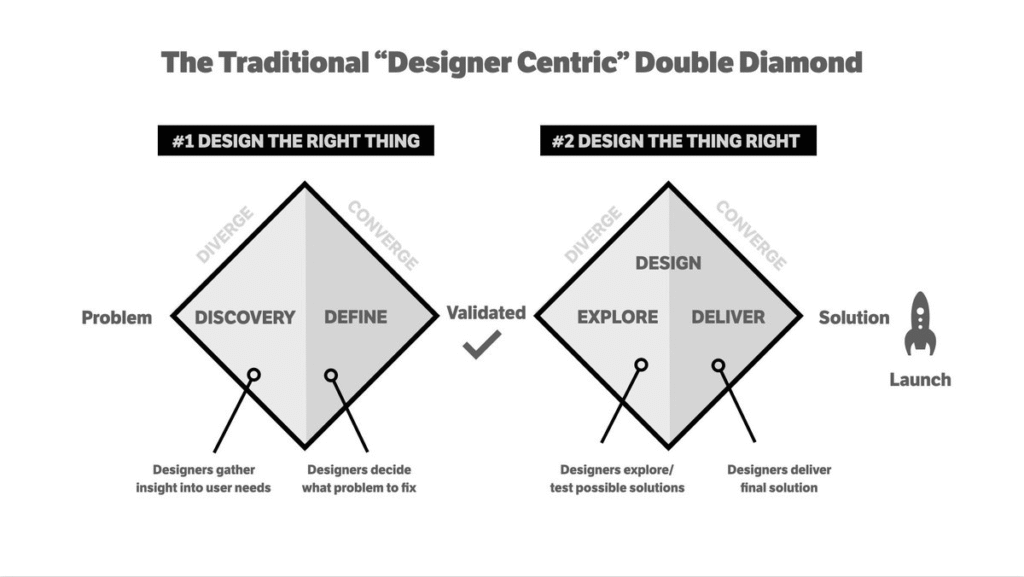
Double Diamond Design Process
Liberatory Design
“Liberatory Design is a creative problem-solving approach and practice that centers equity and supports us to design for liberation” learn more here
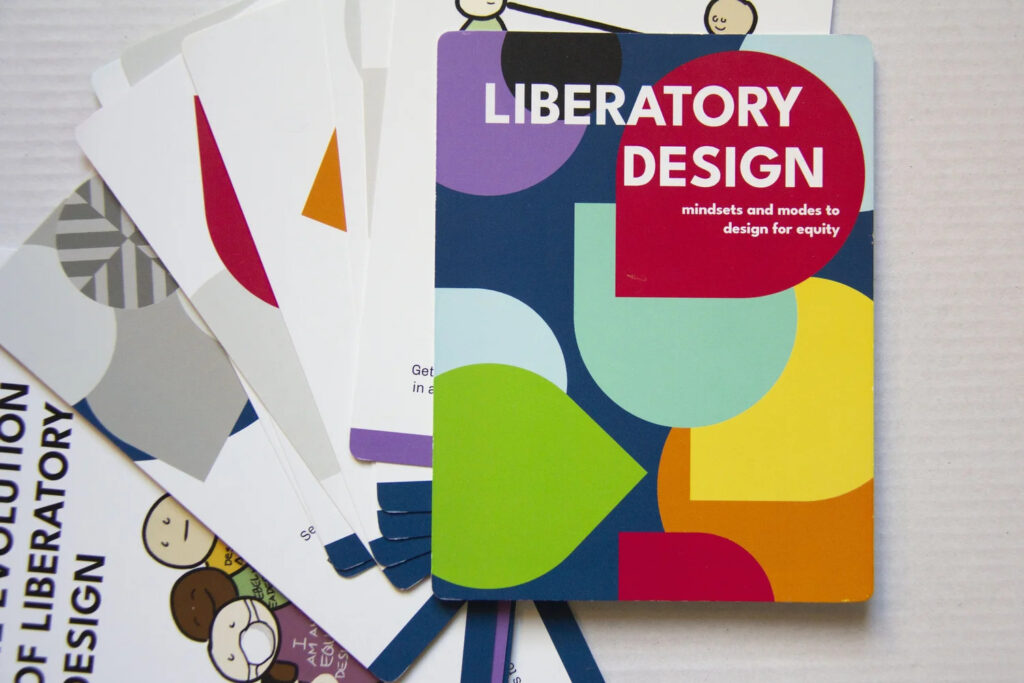
Liberatory Design Deck (Anaissie et al. 2021)
This deck is a resource to support your Liberatory Design practive. There are two parts:
- Mindsets. to invoke stances and values to ground and focus your design process.
- Modes: to provide process guidance for your design practice.
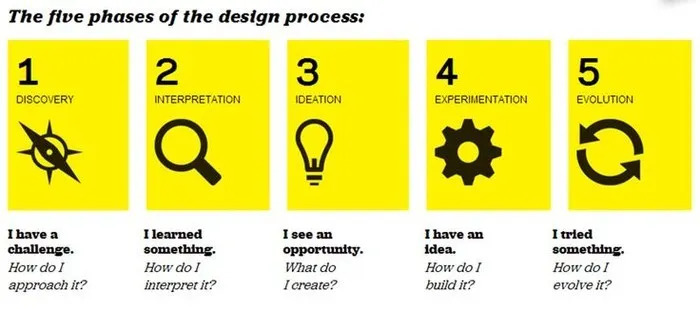
IDEO
IDEO is a global design studio with specialization in human-centred design. They offer a lot of amazing resources to learn as well as teach design.
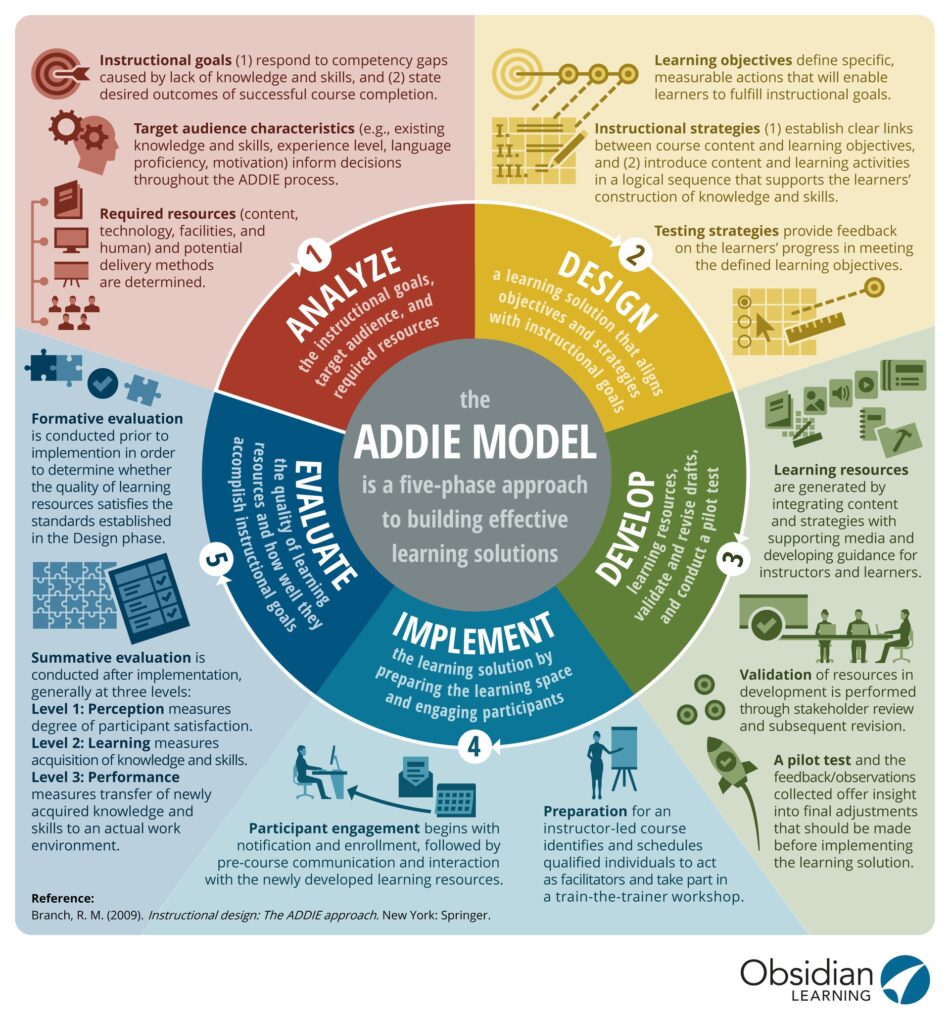
ADDIE Model
Reflection Questions
These questions are here to prompt your thinking about the content. Hint: you can elaborate in your substantive post.‘
- How could seeing your teaching materials as prototypes (rather than finished products) help you connect your learning goals more clearly to creative ideas and ongoing improvements?
- What small, simple way could you build more opportunities for feedback and revision into your teaching materials?
- If you gave yourself permission to make five wildly different versions of a learning activity, what might that open up for you?