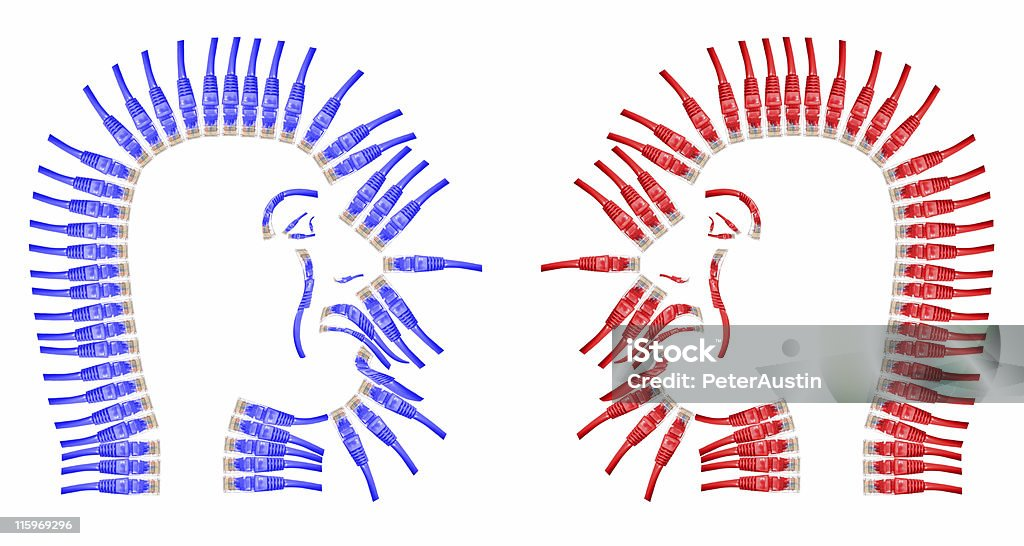
Photo by PeterAustin on Unsplash
Summary
This week’s reflection will be on the article “Chapter 17 – 2010 Connectivism” by Weller, M. I chose to focus on this article because I found it quite interesting.
This article discusses connectivism and how it represents a paradigm shift in understanding learning in the digital age. *A Paradigm shift is when the “normal” way of doing something is replaced by a new approach.
According to this article, connectivism is the theory that learning happens across networks. This means learning occurs through connections with others and digitally. Weller argues that learning is a continues process of connecting and reconnecting. According to Weller, “Connectivism is characterized by four major types of activity: aggregation, relation, creation, and sharing” (p. #2)
Here’s a quick explanation of the types of activities:
Aggregation – collect different types of information & materials from various sources
Relation – relate content to prior knowledge
Creation of own content such as a blog post
Sharing work and insights with others in that network
My Thinking
This article was very intresting to me. Prior to reading this, I hadn’t heard much about connectivism. I found the topic to be extreamly relevant as I’m currently studying fully online. Connectivism seems like how we learn in todays society. I’m constently learning through videos, google, AI, social media, and sharing information with peers. This past year I was in a co-hort and we were all very close. We would share information or helpful resources with each other. Reading about connectivism reminds me of that. It was a great network and community to be apart of.
I also love how connectivism focuses on finding and collecting information rather than memorizing it. As someone who struggles with memorization, I like this type of learning much more!
Of course I can’t leave out the most obvious connection I have to connectivism, THIS COURSE! The four types of activity that make up the characteristics of connectivism that are listed above in my summary, fit this course almost perfectly. Each week, we examine different types of information from various resources (Aggregation). We then create weekly blog posts reflecting on that weeks topic and sources (Creation). The blogs tend to include a reflection on that weeks content back to our prior knowledge on the subject (Relation). These blogs are shared with our peers who have the oppertunity to comment on them (Sharing). When I realized this, I felt as though everything made sense and the course was coming togeather for me. It made me chuckle a little.
Conclusion
Overall, this is a very intriguing theory and I hope to dive deeper into it. I love how relevant connectivism is to me. I hope you too learned lots from this blog. Feel free to ask any questions or comment your thinking on connectivism!
Thanks for reading!
~ Mady Chase
References
Weller, M. (2020). “Chapter 17 – 2010 Connectivism.” 25 Years of Edtech. AU Press. https://read.aupress.ca/read/25-years-of-ed-tech/section/198057f5-1a3e-4436-a4b8-c6e1a3e0bd69#ch17

Leave a Reply